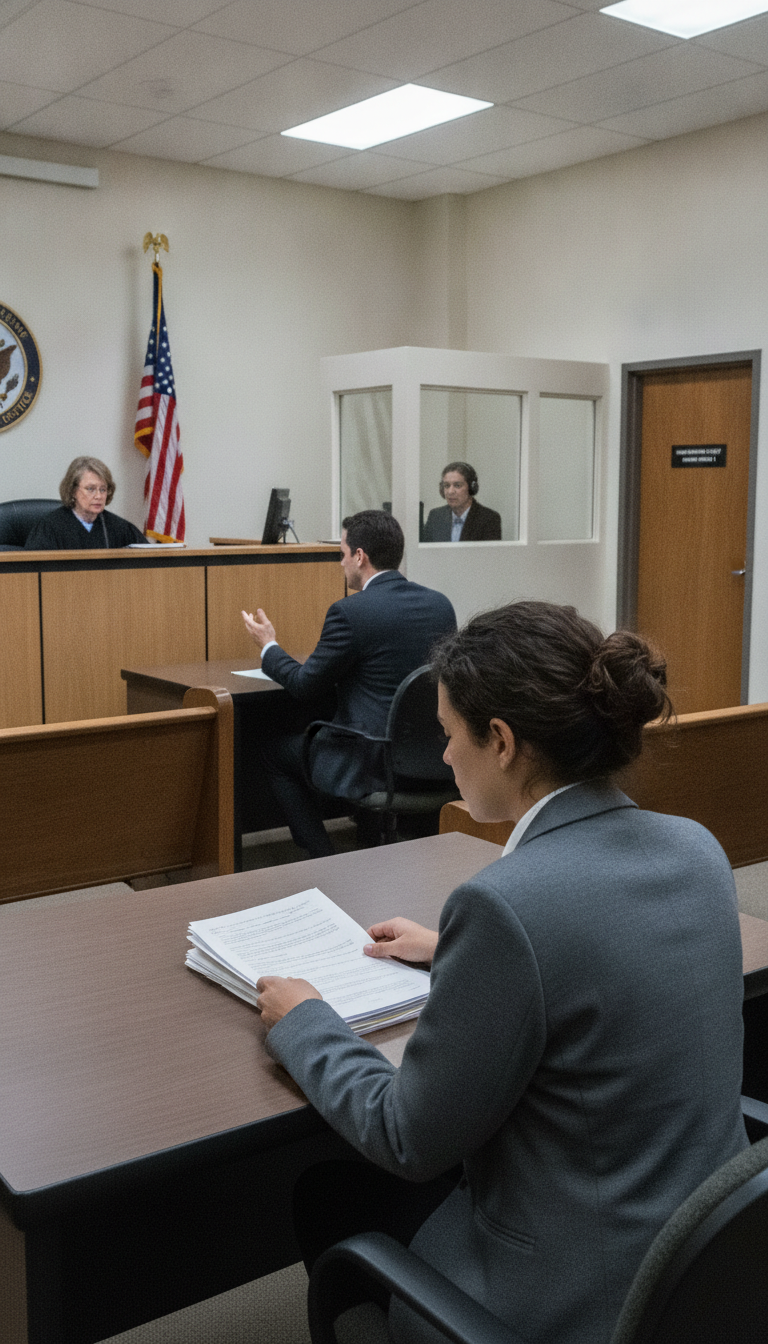
Understanding a BIA Appeal
A BIA Appeal is a formal legal process in which an individual challenges an unfavorable immigration decision made by an immigration judge. The Board of Immigration Appeals (BIA) is the highest administrative body for interpreting and applying immigration law in the United States. It operates under the Executive Office for Immigration Review (EOIR) within the U.S. Department of Justice. For residents of Sansom Park, TX, a small community located in Tarrant County just northwest of Fort Worth, understanding this process is essential when facing deportation or other adverse immigration rulings.
How the BIA Appeal Process Works
When an immigration judge issues an unfavorable decision, the affected individual has 30 days to file a Notice of Appeal with the BIA. This strict deadline is non-negotiable, making timely action critical. Once the appeal is filed, the appellant must submit a written brief outlining the legal arguments for why the original decision should be overturned. The BIA then reviews the case based on the existing record and legal briefs without conducting a new hearing. On average, a BIA Appeal takes approximately 12 to 18 months to complete, though some cases may take longer depending on complexity and current caseload backlogs.
Residents of Sansom Park, TX, a city with a population of roughly 5,200, typically have their initial immigration hearings handled through the the immigration court that completed your proceedings, which serves the broader North Texas region. Given the distance and logistical challenges, having knowledgeable legal representation close to the Tarrant County area is highly beneficial.
The Risks of Inadequate Legal Representation
Filing a BIA Appeal without the right attorney can have devastating consequences. Immigration law is extraordinarily complex, and the appeals process demands precise legal writing, thorough knowledge of case precedent, and strict adherence to procedural rules. An inexperienced attorney may miss filing deadlines, fail to preserve critical legal arguments, or submit insufficient briefs that result in a dismissed appeal. In many cases, a denied BIA Appeal leads directly to a final order of removal, meaning the individual faces deportation with very limited options remaining. Furthermore, errors made during the appeal can negatively impact any future motions to reopen or federal court petitions.
Conclusion
For Sansom Park, TX residents facing an unfavorable immigration ruling, a BIA Appeal represents a vital opportunity to seek justice. However, the process is time-sensitive, legally demanding, and carries significant consequences if handled improperly. Securing an experienced immigration attorney who understands the complexities of appellate immigration law is not just advisable — it is essential to protecting your future in the United States.