Understanding a BIA Appeal
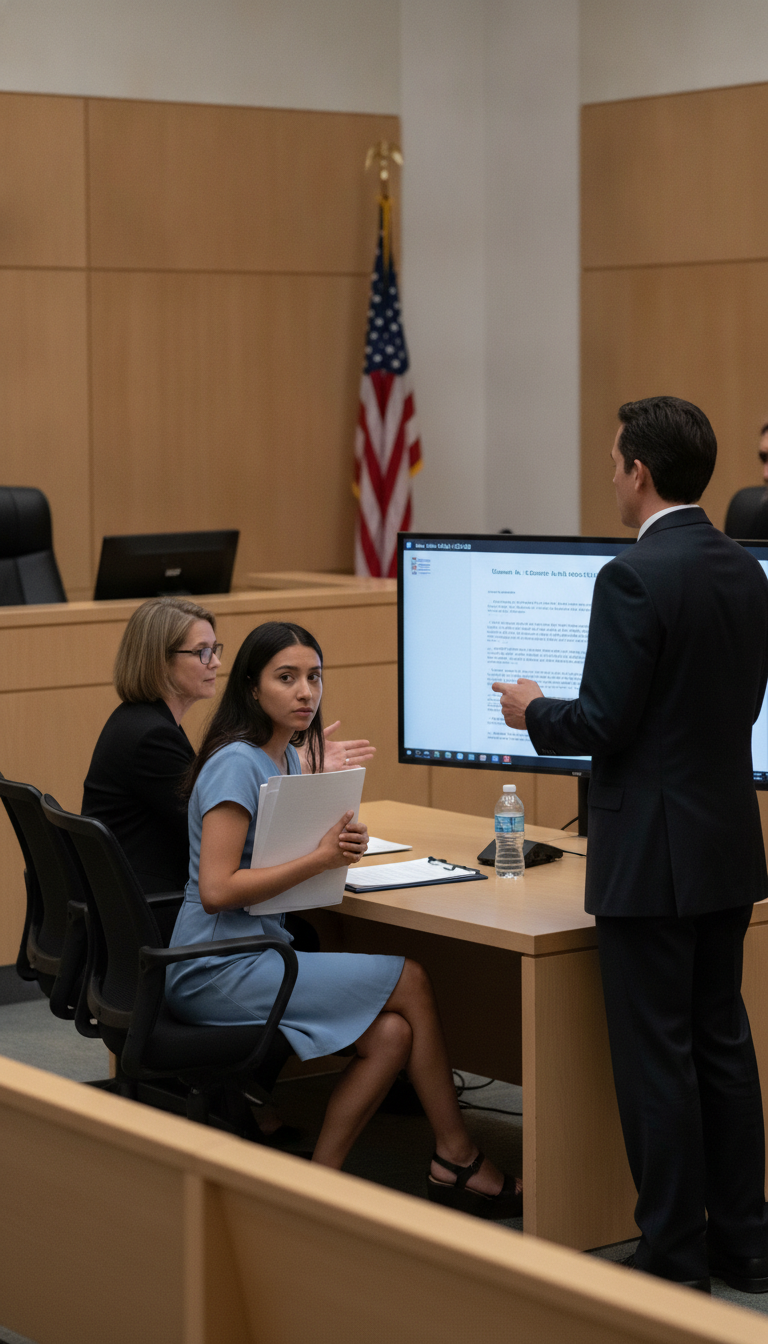
A BIA Appeal is a legal process in which an individual challenges an unfavorable immigration decision by filing an appeal with the Board of Immigration Appeals (BIA). The BIA is the highest administrative body for interpreting and applying immigration law in the United States, operating under the Executive Office for Immigration Review (EOIR). When an immigration judge issues a ruling — such as a denial of asylum, cancellation of removal, or adjustment of status — the affected party has the right to appeal that decision to the BIA for further review.
How the BIA Appeal Process Works
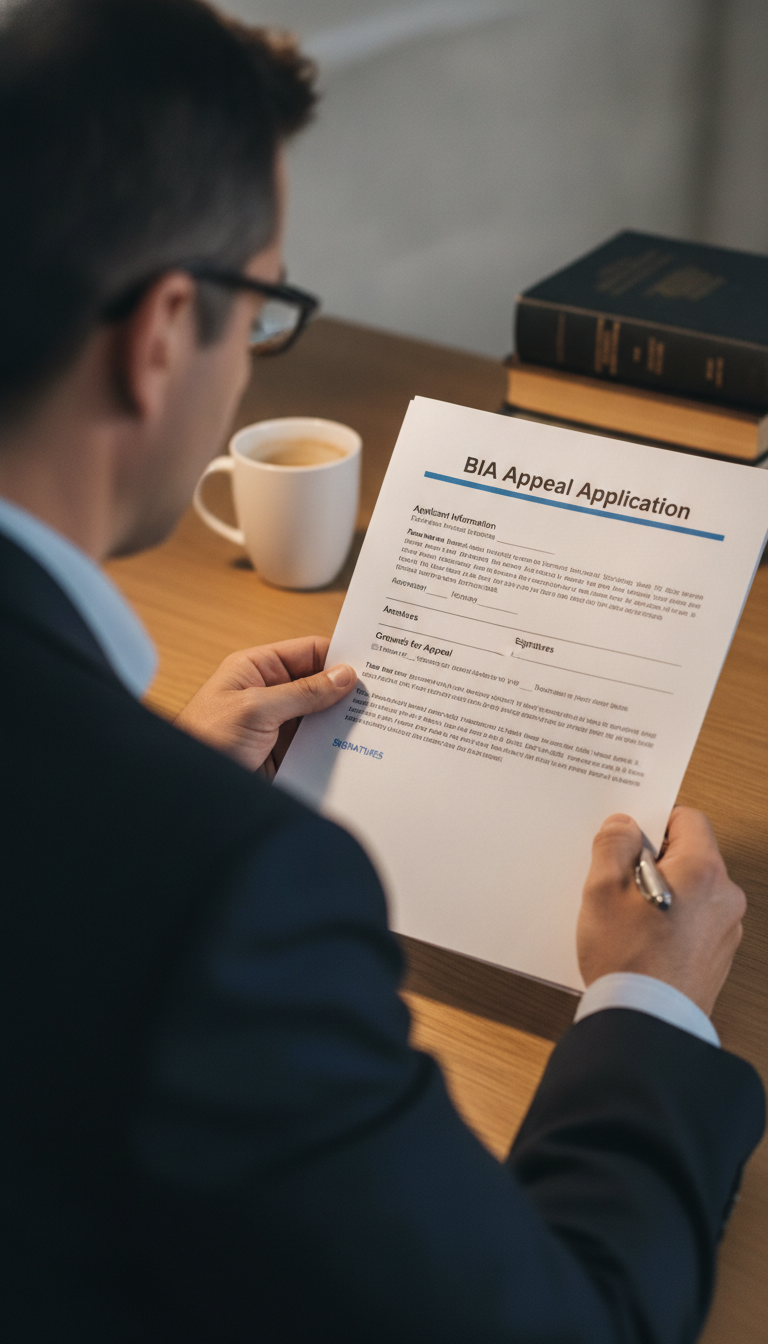
The BIA Appeal process begins when the applicant or their attorney files a Notice of Appeal (Form EOIR-26) within 30 days of the immigration judge’s decision. After filing, the appellant must submit a written brief outlining the legal arguments for why the original decision should be overturned. The BIA then reviews the record from the original hearing, considers the legal arguments presented, and issues a written decision. Importantly, the BIA generally does not conduct new hearings or accept new evidence; instead, it evaluates whether legal errors were made in the initial proceedings.
On average, a BIA Appeal can take anywhere from six months to several years to complete, depending on the complexity of the case and the current backlog of appeals. As of recent years, processing times have often extended beyond 12 months due to increased caseloads nationwide.
Why the Right Attorney Matters in Bedford TX
For residents of Bedford, Texas — a vibrant city of approximately 49,000 residents located in Tarrant County within the Dallas-Fort Worth metroplex — immigration cases are typically heard at the the immigration court that completed your proceedings. Bedford’s diverse population includes many immigrants who may find themselves navigating the complexities of the appeals process.
Choosing the wrong attorney — or attempting to handle a BIA Appeal without legal representation — can have devastating consequences. Filing errors, missed deadlines, or poorly constructed legal arguments can result in a permanent denial and even deportation. An inexperienced attorney may fail to identify critical legal issues or overlook procedural mistakes made during the original hearing. Given that a BIA Appeal is often an individual’s last administrative remedy before facing removal from the country, the stakes could not be higher.
Conclusion
A BIA Appeal represents a critical opportunity to challenge an unfavorable immigration decision, but it demands precision, legal expertise, and a thorough understanding of immigration law. For Bedford, TX residents facing this process, securing a qualified and experienced immigration attorney is essential to protecting their rights and ensuring the best possible outcome.