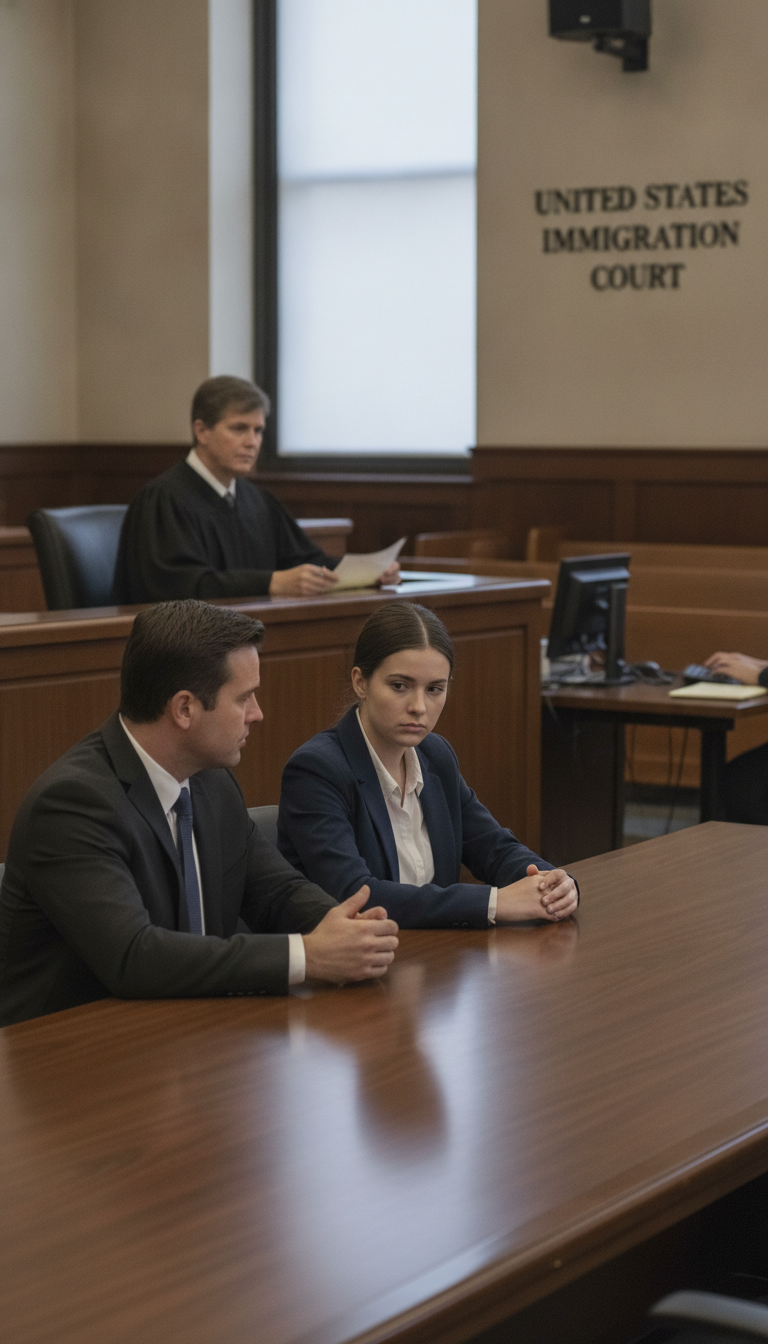
Understanding a BIA Appeal
When an immigration judge issues an unfavorable decision, individuals have the right to challenge that ruling through the Board of Immigration Appeals (BIA). A BIA appeal is a formal legal process in which a higher administrative body reviews the decision made by an immigration judge to determine whether legal errors were committed. This appellate review is a critical safeguard in the U.S. immigration system and often represents an individual’s last chance to remain in the country before facing deportation.
How the BIA Appeal Process Works
The BIA, which operates under the Executive Office for Immigration Review (EOIR), is the highest administrative body for interpreting and applying immigration law. To initiate an appeal, a Notice of Appeal (Form EOIR-26) must be filed within 30 days of the immigration judge’s decision. After filing, the appellant is given an opportunity to submit a written brief outlining the legal arguments for why the original decision should be overturned. The BIA then reviews the record and issues a written decision, which may affirm, reverse, or remand the case back to the immigration court.
On average, a BIA appeal takes anywhere from six months to over two years to complete, depending on the complexity of the case and the current backlog of pending appeals.
Why the Right Attorney Matters in Denton TX
For residents of Denton, Texas, navigating a BIA appeal without experienced legal counsel can be extremely risky. Denton, a vibrant city of over 150,000 residents located in the Dallas-Fort Worth metroplex, is home to a diverse immigrant population. Immigration cases in this region are typically heard at the Dallas Immigration Court, which handles a high volume of cases and is known for its demanding legal environment.
Hiring the wrong attorney—or attempting to handle an appeal without one—can lead to missed deadlines, poorly constructed legal briefs, and procedural errors that result in automatic dismissal. Because the BIA primarily reviews written arguments rather than holding oral hearings, the quality of the legal brief is paramount. An inexperienced attorney may fail to identify critical legal issues or preserve arguments for potential federal court review.
Conclusion
A BIA appeal is a vital opportunity to correct errors made at the immigration court level, but it demands precision, legal expertise, and a thorough understanding of immigration law. For Denton residents facing this process, securing a qualified immigration attorney is not just advisable—it is essential to protecting your future in the United States.