Understanding a BIA Appeal
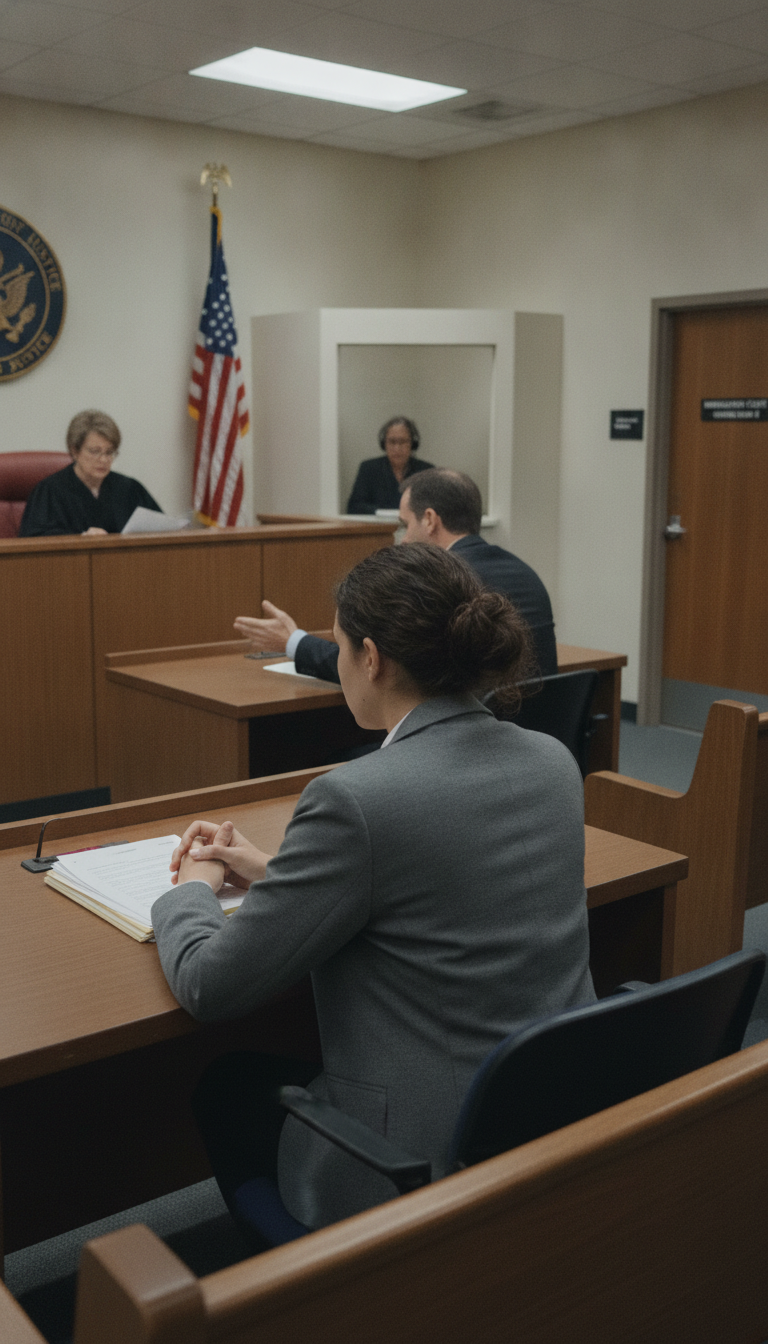
A BIA Appeal is a legal process in which an individual challenges a decision made by an immigration judge by filing an appeal with the Board of Immigration Appeals (BIA). The BIA is the highest administrative body responsible for interpreting and applying immigration laws in the United States, operating under the Executive Office for Immigration Review (EOIR). When an immigration judge issues an unfavorable ruling—such as a denial of asylum, cancellation of removal, or adjustment of status—the respondent has the right to appeal that decision to the BIA for further review.
How the BIA Appeal Process Works
The BIA Appeal process begins when a Notice of Appeal is filed using Form EOIR-26, which must be submitted within 30 days of the immigration judge’s decision. After the notice is filed, the appellant is typically given additional time to submit a written brief outlining the legal arguments for why the original decision should be overturned. The BIA reviews the case based on the existing record and the legal briefs submitted by both parties. In most cases, the BIA does not hold oral arguments or hear new testimony.
On average, a BIA Appeal can take anywhere from six months to several years to complete, depending on the complexity of the case and the current caseload of the board. Some cases may be resolved more quickly through streamlined single-member review, while others requiring a full three-member panel deliberation may take considerably longer.
Why the Right Attorney Matters in Grand Prairie TX
For residents of Grand Prairie, Texas—a vibrant city of over 200,000 people situated between Dallas and Fort Worth in the heart of the Dallas-Fort Worth metroplex—immigration matters are handled through the the immigration court that completed your proceedings. Grand Prairie’s diverse population includes a significant immigrant community, making access to qualified immigration legal counsel critically important.
Filing a BIA Appeal without the right attorney can have devastating consequences. Missed deadlines, improperly drafted briefs, or failure to identify key legal errors in the immigration judge’s decision can result in a permanent denial with no further administrative recourse. An inexperienced attorney may overlook procedural issues or fail to preserve arguments for potential federal court review, effectively ending a person’s chance to remain in the country.
Conclusion
A BIA Appeal represents a crucial opportunity to challenge an unfavorable immigration decision, but it demands precision, legal expertise, and strict adherence to deadlines. For Grand Prairie residents navigating this complex process, securing an experienced immigration attorney is not merely advisable—it can be the determining factor between remaining in the United States and facing deportation.