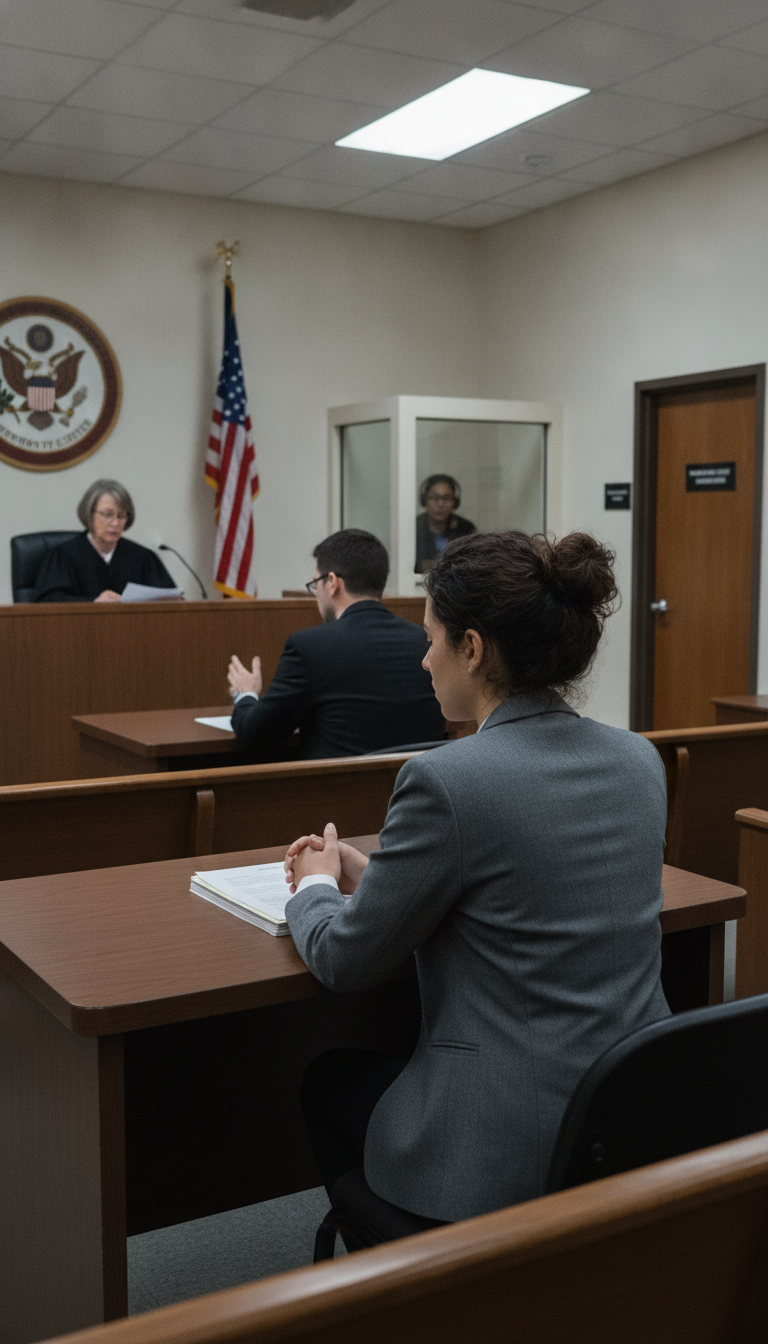
Understanding a BIA Appeal
A BIA Appeal is a formal legal process in which an individual challenges a decision made by an immigration judge by requesting a review from the Board of Immigration Appeals (BIA). The BIA is the highest administrative body for interpreting and applying immigration law in the United States, operating under the Executive Office for Immigration Review (EOIR). When an immigration judge issues an unfavorable ruling—such as a denial of asylum, cancellation of removal, or adjustment of status—the affected individual has the right to appeal that decision to the BIA within 30 days of the ruling.
How the BIA Appeal Process Works
The BIA Appeal begins with the filing of a Notice of Appeal (Form EOIR-26) along with the required filing fee or a fee waiver request. After the notice is filed, the appellant is given an opportunity to submit a written brief outlining the legal arguments for why the immigration judge’s decision should be reversed or remanded. The BIA typically reviews cases based on the existing record, meaning no new evidence or testimony is usually introduced. On average, a BIA Appeal takes between 6 months to over 2 years to complete, depending on the complexity of the case and the current backlog of appeals.
Why the Right Attorney Matters in Waxahachie TX
For residents of Waxahachie, Texas—a growing city of approximately 40,000 people located in Ellis County, about 30 miles south of Dallas—navigating a BIA Appeal without experienced legal representation can be particularly challenging. Waxahachie, known for its historic downtown and Victorian architecture, is home to a diverse and expanding community, including many immigrant families. However, finding an immigration attorney with specific BIA appellate experience in a smaller city can be difficult.
The dangers of not having the right attorney are significant. A poorly written brief, missed deadlines, or failure to identify proper legal errors can result in a permanent denial of relief, leading to deportation. Unlike trial-level proceedings, appellate work requires a distinct legal skill set focused on legal research, persuasive writing, and a deep understanding of procedural rules. An inexperienced attorney may overlook critical issues that could have changed the outcome of the case entirely.
Conclusion
A BIA Appeal represents a crucial opportunity to overturn an unfavorable immigration decision, but it demands precision, legal expertise, and timely action. For individuals in Waxahachie and the greater Ellis County area, securing a qualified immigration attorney with appellate experience is essential to protecting your rights and achieving a favorable outcome. Taking the time to find the right legal representation can make the difference between remaining in the United States and facing removal.