Dallas · Fort Worth | Hablamos Español | 833-FOR-PIRI

Need a Domestic Violence Defense Attorney in Waxahachie, TX? Contact Michael Piri

Dedicated Defense for Domestic Violence Charges in Waxahachie, TX

Confronting a domestic violence accusation in Waxahachie, TX can upend your life in an instant, putting at risk your freedom, your reputation, your job, and your family relationships. Michael Piri is a Waxahachie domestic violence defense attorney who advocates for clients accused of family violence, assault on a household member, and related offenses throughout the Waxahachie, TX area. With a deep understanding of Texas Penal Code §22.01 and the long-term consequences of a family violence conviction—like firearm restrictions, immigration impacts, and protective orders—Michael Piri crafts tailored defense strategies designed to question the allegations, protect your rights, and pursue the most favorable result. If you’ve been arrested or are under investigation in Waxahachie, acting quickly is essential; contact Michael Piri today for a free case evaluation.

Why You Need an Skilled and Trusted Domestic Violence Defense Attorney in Waxahachie, TX

A domestic violence charge in Waxahachie, TX can change your life in an instant. As soon as you’re arrested, you face potential jail time, a permanent criminal record, protective orders that force you out of your residence, and serious consequences for your career, reputation, and family relationships. Texas law treats these accusations harshly, and so should you.

What’s at Stake in a Texas Domestic Violence Case

Under Texas Penal Code § 22.01, family violence charges range from Class C misdemeanors to first-degree felonies, depending on the circumstances. An initial charge can carry up to a year in jail, while prior convictions, choking allegations, or cases involving weapons can result in 2 to 99 years in prison. Aside from the legal sentence, a conviction in Waxahachie, TX can affect family court matters, firearm rights, professional licenses, immigration status, and career prospects.

Why Local Experience in Waxahachie Matters

Every jurisdiction in the Dallas-Fort Worth metroplex has its own prosecutors, judges, court procedures, and local customs for handling family violence cases. An attorney who regularly practices in Waxahachie, TX courtrooms understands how local prosecutors handle these charges, how area judges typically handle protective order hearings, and which diversion programs may be available in your local area. This community-level insight can be the difference between a dismissal, a reduced charge, or a conviction.

What a Skilled Defense Attorney Does for You

An experienced domestic violence defense attorney in Waxahachie, TX protects your rights from day one. They investigate the allegations, interview witnesses, review 911 calls and body camera footage, challenge inconsistencies in the accuser’s statements, and identify constitutional violations during the arrest. They also negotiate with prosecutors for reduced charges or dismissal when the evidence is weak, and they prepare a strong trial defense when negotiation isn’t enough. Just as importantly, they guide you through emergency protective orders, bond conditions, and the stress of the process.

The Cost of Going It Alone

Many people accused of family violence assume they can explain the situation with police or prosecutors and sort it out. In reality, Texas law often requires prosecutors to pursue these cases even when the alleged victim recants or doesn’t want to press charges. Without professional defense, you risk pleading to charges you could have beaten or accepting consequences far harsher than necessary.

Take Action Quickly in Waxahachie, TX

If you’ve been accused of domestic violence in Waxahachie, TX, time is critical. Evidence disappears, witnesses’ memories fade, and protective order hearings happen quickly. Securing an experienced, trusted defense attorney early gives you the best chance of safeguarding your future, your family, and your future.

Waxahachie, TX Domestic Violence Defense Attorney

7 Methods Attorney Michael Piri Wins Successful Results After a Domestic Violence Charge in Waxahachie, TX

Fast Answer: Dallas-Fort Worth defense lawyer Michael Piri delivers positive results for people facing domestic violence allegations in Waxahachie, TX by challenging weak evidence, highlighting unreliable witness testimony, negotiating reductions or dismissals with prosecutors, pursuing pretrial diversion, protecting immigration status, and forcefully litigating at trial when needed. Below are the seven specific strategies he uses.


A domestic violence charge in Waxahachie, TX can upend your life in an instant. Even an arrest, before any conviction, can cost you your job, your home, your firearm rights, custody of your children, and, if you are not a U.S. citizen, your immigration status. Under Texas Penal Code §22.01 and Chapter 71 of the Texas Family Code, “family violence” includes any act intended to cause physical harm against a family member, household member, or dating partner — and Dallas, Tarrant, Collin, and Denton County prosecutors pursue these cases aggressively.

That is why the lawyer you retain in the first 48 hours is more important than almost anything else. Here is how DFW criminal defense lawyer Michael Piri delivers successful results for individuals accused of domestic violence in Waxahachie, TX.

1. He Challenges the Evidence Before It Reaches a Jury

The majority of domestic violence cases hinge on the strength of the initial police report, the 911 call, and any photographs of injuries. Michael Piri right away requests body cam footage, dispatch recordings, medical records, and officer notes — then examines each one for contradictions. When the physical evidence does not match the accuser’s statement, Piri uses those gaps to pursue reduced charges or outright dismissal in Waxahachie courts.

2. He Uncovers False or Exaggerated Claims

A substantial portion of family violence accusations in Texas emerge during divorces, custody disputes, or immigration disagreements, where one party may have a powerful incentive to fabricate or exaggerate. Piri examines the relationship history, prior text messages, social media activity, and witness backgrounds to surface bias, motive to lie, and prior false claims. Demonstrating a prosecutor that the complaining witness is unreliable is one of the most direct ways to a dismissal in Waxahachie.

3. He Engages Directly With Local Prosecutors

Michael Piri works in the courthouses where these cases are decided every day — including the Frank Crowley Courts Building in Dallas County and the Tim Curry Criminal Justice Center in Tarrant County. That day-to-day presence is critical for clients in Waxahachie, TX. Knowing how individual prosecutors and judges evaluate domestic violence files lets Piri build mitigation arguments, suggest alternatives, and obtain reductions to lesser offenses such as simple assault or disorderly conduct — which carry significantly fewer collateral consequences than a family violence finding.

4. He Pursues Pretrial Diversion and Conditional Dismissals

For clients in Waxahachie with no significant criminal history, Piri advocates for pretrial diversion, deferred adjudication without a family violence affirmative finding, or program-based resolutions like the Battering Intervention and Prevention Program (BIPP). When successful, these alternatives allow the case to be dismissed and, in many situations, sealed or expunged — meaning no conviction, no permanent record, and no lifetime firearm ban under federal law.

5. He Protects Non-Citizens From the Immigration Trap

This is where Piri’s practice is genuinely different from most Waxahachie criminal defense lawyers. He holds a Juris Doctorate with a focus on crimmigration law from St. Mary’s Law School and is fluent in Spanish, French, and conversational Greek and Farsi. A domestic violence conviction is categorized as a “crime involving moral turpitude” or an aggravated felony under federal immigration law and can result in automatic deportation — even for green card holders. Piri builds plea negotiations specifically to avoid the language and findings that damage immigration status, an analysis many criminal-only attorneys miss entirely.

6. He Fights Protective Orders That Damage Your Life Before Trial

In Texas, an emergency protective order issued at magistration can instantly bar you from your home in Waxahachie, separate you from your children, and bar contact with your spouse — often before you have even spoken to a lawyer. Piri attends at protective order hearings prepared with evidence, witnesses, and case law to fight unjustified orders, modify their terms, or have them lifted entirely so you can return home and rebuild while the criminal case is pending.

7. He Is Ready to Take the Case to Trial

Some prosecutors only provide a real deal when they know the defense lawyer will actually try the case. Michael Piri prepares every domestic violence case as if it is going to a jury — preserving evidence, lining up cross-examination, and filing motions to suppress. That trial-readiness routinely produces better plea offers in Waxahachie, and when no acceptable offer comes, Piri is in the courtroom presenting the defense himself rather than handing the file off.

Contact Michael Piri Today

If you or someone you love has been arrested for domestic violence in Waxahachie, TX, the decisions you make in the next few days will determine the rest of the case. Contact The Piri Law Firm at (833) 600-0029 for a free consultation, or submit a case evaluation through michaelpiri.com.
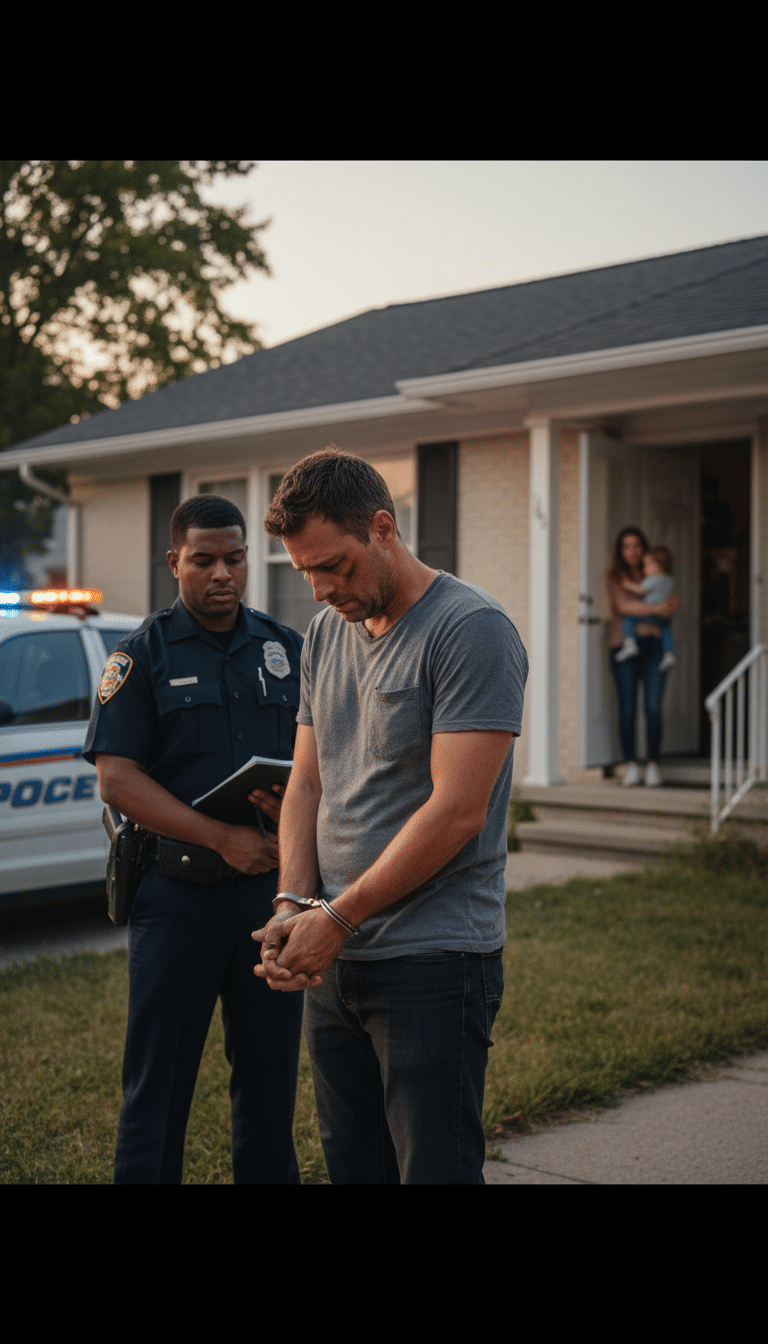

Frequently Asked Questions — Domestic Violence Attorney Michael Piri | Waxahachie, TX

Frequently Asked Questions — Domestic Violence Attorney Michael Piri | Waxahachie, TX

What qualifies as domestic violence in Texas?

Domestic violence in Texas is defined (known as “family violence” under the Texas Penal Code) as an act by one household or family member against another that is intended to result in physical harm, bodily injury, assault, or sexual assault — or a threat that reasonably places the person in fear of imminent harm. This covers violence between current and former spouses, co-parents, foster families, blood relatives, members of the same household, and current or former romantic partners. No physical mark or injury is required for the conduct to qualify.

How does family violence differ from regular assault in Waxahachie?

A standard assault becomes a family violence offense when the alleged victim falls within one of the protected relationships defined under the Texas Family Code. The underlying charge — ranging from Class C misdemeanor to first-degree felony — depends on the injury and circumstances, but the family violence finding adds collateral consequences a regular assault doesn’t carry, including firearm restrictions, enhancement of future charges, and a permanent record that cannot be sealed.

Can the accuser have the charges dismissed?

No, and this is one of the biggest misconceptions. Once police are called and a report is made, the case belongs to the State of Texas — not the complaining witness. Prosecutors in Waxahachie regularly proceed with cases even when the alleged victim files an affidavit of non-prosecution or refuses to cooperate. They can subpoena the witness to testify, use 911 recordings, body cam footage, and statements made to officers at the scene. Believing the charges will be dismissed automatically is one of the most common and costly mistakes defendants make.

What should I expect at the magistrate hearing?

Within 48 hours of arrest, the accused appears before a magistrate who sets bond and typically issues a Magistrate’s Order for Emergency Protection (MOEP). This order usually forbids any contact with the alleged victim, prohibits returning to the shared residence, and removes firearm rights — sometimes for up to 91 days. A violation of the MOEP is a separate criminal offense, even if the alleged victim reaches out first.

Could I lose my firearm rights?

Possibly, and the consequences extend beyond Texas. A conviction or even a deferred adjudication on a family violence charge results in a federal firearm prohibition under the Lautenberg Amendment that lasts for life. Active protective orders also forbid possessing firearms. For police officers, military personnel, and licensed carriers, the career and personal implications are swift and significant.

Is deferred adjudication a favorable result?

For most offenses, deferred adjudication keeps the conviction off your record if probation is completed successfully. Family violence is the exception. Under Texas law, even a successfully completed deferred adjudication for family violence still counts as a conviction for purposes of future enhancement, federal firearm prohibition, and the public record. It cannot be sealed through nondisclosure. Taking a deferred plea without knowing this is a common, regrettable mistake.

Will a domestic violence charge affect my custody case?

Significantly. Texas courts presume that appointing a parent with a history of family violence as a joint or sole managing conservator conflicts with the child’s best interest. A pending charge can shape temporary orders, supervised visitation requirements, and the final custody decree. CPS may also launch a separate investigation. The criminal case and the family case run on separate tracks but constantly influence each other.

Is expungement possible for a family violence charge in Texas?

A dismissal or acquittal can be expunged. A conviction cannot. A deferred adjudication for family violence cannot be sealed through an order of nondisclosure, unlike most other deferred outcomes. This is why defending against the charge — rather than rushing into a plea — matters so much when the long-term record is at stake.

What can I do if the accusations are untrue or overstated?

False or exaggerated accusations do occur, particularly during contentious divorces, custody disputes, and breakups. Defending these cases requires securing evidence without delay: text messages, call logs, location data, witness statements, prior inconsistent statements, and any documentation of the accuser’s motive. Time matters — phone records and surveillance footage disappear within days or weeks if no one moves to secure them.

What’s the typical timeline for a domestic violence case in Waxahachie?

Misdemeanor cases typically resolve in three to nine months; felony cases routinely take a year or longer. Cases with thorough defense investigation, contested motion practice, and trial readiness tend to take longer than quick pleas — but produce far better results. Hurrying to resolve the case usually serves the prosecution, not the defendant.

Why choose Michael Piri to handle your domestic violence case?

Domestic violence defense is not the same as general criminal defense. The collateral consequences — firearms, immigration, employment, custody, and the permanent record — require a lawyer who understands every track the case touches. Michael Piri focuses on protecting clients from the cascading damage these charges cause, not just the courtroom outcome. Every case begins with a confidential consultation to assess the allegations, the evidence, and the realistic paths forward.