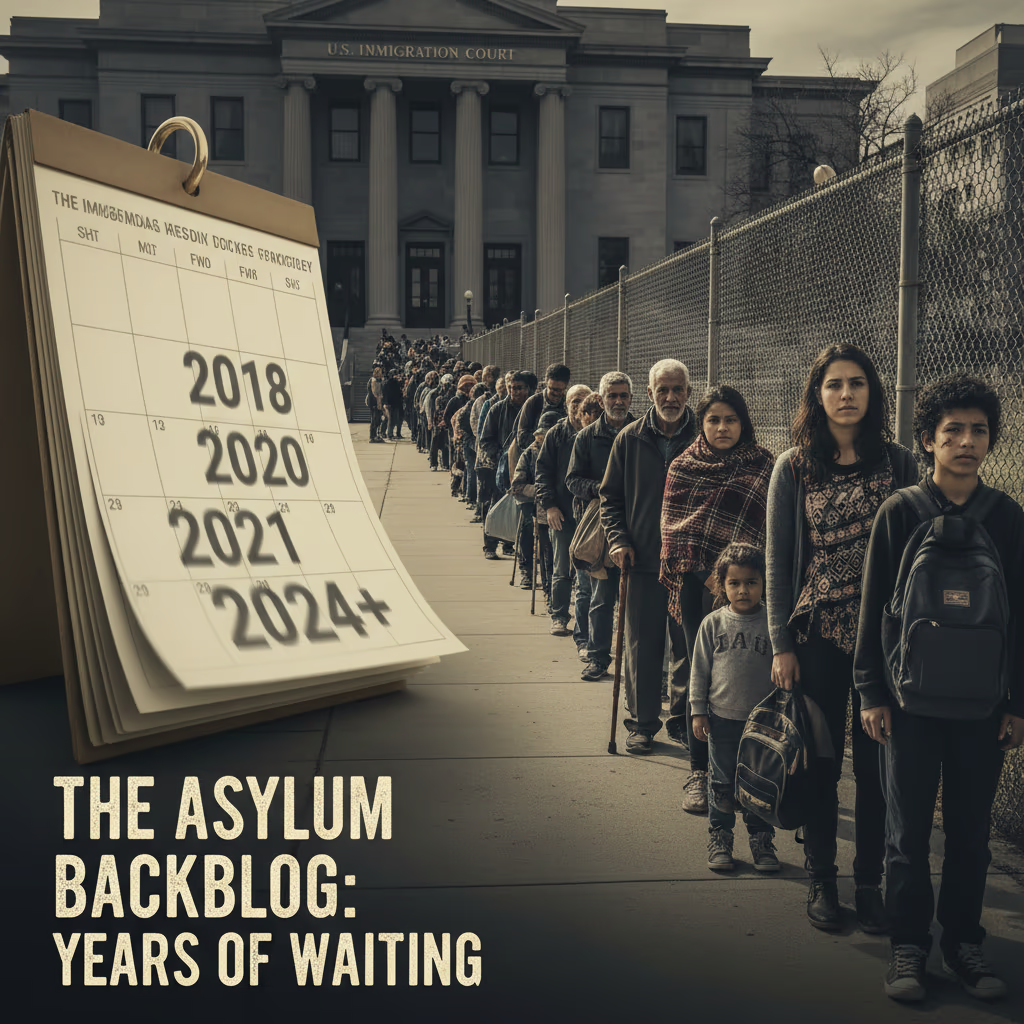
One of the hardest parts of seeking asylum in the United States is the waiting. After fleeing persecution and sharing your deepest traumas, you are often met with years of silence. This prolonged uncertainty creates immense emotional and financial strain. You are left wondering when you will get a final answer and whether you can start building a stable life.
The reality is that the asylum processing time in the U.S. can stretch from months to several years. This is not a reflection of your case’s merit but a symptom of a deeply overwhelmed system.
This article explains the reasons behind the massive asylum backlog, the specific factors causing court delays, and how your case timeline might be affected. We will also provide practical advice for navigating this long and difficult waiting period.
The Scale of the Asylum Backlog
To understand the delays, we first need to grasp the sheer scale of the problem. The U.S. immigration system is facing an unprecedented number of cases. As of late 2025, the total immigration court backlog has surpassed three million cases. A significant portion of these are asylum applications.
This isn’t a new issue, but it has grown exponentially over the past decade due to global conflicts, economic instability, and shifting immigration policies. Every new application adds to a mountain of existing cases, creating a bottleneck that slows everything down. For an individual applicant, this means your file is one of millions waiting for a judge’s attention.
Key Factors Driving Court Delays
The long asylum processing time is not caused by a single issue but by a combination of systemic problems. These factors work together to create significant court delays that affect every person waiting for a hearing.
1. Chronic Underfunding and Staff Shortages
The immigration court system, officially the Executive Office for Immigration Review (EOIR), has long been underfunded. There are simply not enough immigration judges, court staff, or interpreters to handle the volume of cases. While the number of judges has increased in recent years, it has not kept pace with the explosive growth of the backlog. Each judge is responsible for thousands of cases, making it impossible to hear them all in a timely manner.
2. The “Last In, First Out” Scheduling Policy
In an attempt to manage new arrivals at the border, the government has sometimes implemented a “Last In, First Out” (LIFO) policy. This prioritizes the cases of recent arrivals, pushing older cases further down the docket. While the goal is to quickly resolve new claims, the unintended consequence is that individuals who have been waiting for years see their hearing dates postponed, sometimes repeatedly. This adds years to their already long timeline.
3. Shifting Immigration Policies and Priorities
Changes in presidential administrations often bring dramatic shifts in immigration enforcement and asylum eligibility. New policies can create confusion, require new legal interpretations, and add layers of review to the process. For example, changes to who qualifies for asylum based on “particular social group” or gang-related threats can force courts to re-evaluate thousands of pending cases, causing further court delays.
4. Inefficient Case Management and Paper-Based Systems
While many courts are moving toward digital systems, much of the immigration court process still relies on paper files. This creates logistical nightmares. Files are physically shipped between offices, evidence must be submitted in triplicate, and records can be misplaced. These administrative inefficiencies add significant time to each case, contributing to the overall asylum backlog.
How the Timeline Varies for Each Case
Not every asylum case follows the same timeline. The specific path your case takes can significantly influence how long you wait.
- Affirmative vs. Defensive Asylum: Affirmative cases, filed with USCIS, often have their own backlog for interviews. If an affirmative case is not approved and is referred to immigration court, it joins the back of the line in the court backlog. Defensive cases, which start in court, are immediately subject to these court delays.
- Court Location: Your waiting time is heavily dependent on where you live. Immigration courts in states with large immigrant populations, like California, Texas, and New York, have much larger backlogs than courts in other parts of the country. An asylum seeker in Omaha may get a hearing date years before someone in Los Angeles.
- Case Complexity: A straightforward case with clear evidence may move faster. However, if your case involves complex legal arguments, requires expert witnesses, or relies on hard-to-obtain evidence from your home country, it will likely require more time and multiple hearings.
Tips for Navigating the Long Wait
Waiting for your asylum hearing is stressful, but there are steps you can take to stay proactive and maintain your well-being.
1. Keep Your Address Updated
This is the single most important administrative task you have. You must notify the immigration court (and USCIS, if applicable) of any change of address within five days of moving by filing Form EOIR-33. If the court cannot reach you, you will miss your hearing notice and likely be ordered deported in your absence.
2. Apply for Work Authorization
Asylum applicants are generally eligible to apply for an Employment Authorization Document (EAD), or work permit, 150 days after filing their asylum application. The permit can be issued 30 days after that (for a total of 180 days). This allows you to work legally in the U.S. while you wait, providing financial stability for you and your family.
3. Continue Gathering Evidence
Use the waiting period to strengthen your case. Stay in touch with your lawyer to see if new evidence could be helpful. This might include updated reports on country conditions, new witness statements, or evidence of your community involvement in the U.S. A well-prepared case is more likely to succeed when your hearing date finally arrives.
4. Seek Community and Mental Health Support
The emotional toll of the long asylum processing time is immense. You are not alone in this experience. Connect with local non-profits, community groups, or religious organizations that support immigrants. Many offer resources, from legal aid clinics to mental health services, that can help you cope with the stress and isolation of waiting.
The Path Forward
The systemic issues causing the asylum backlog will not be solved overnight. For the foreseeable future, long waits will remain a feature of the asylum process. By understanding the reasons for the delays and taking proactive steps to manage your case and your well-being, you can better navigate this challenging period. Stay organized, stay in communication with your legal representative, and hold onto hope as you await your day in court.
Federal Resources
- EOIR: Immigration Court Case Status – Official online system to check the status of your case.
- USCIS: Work Authorization for Asylum Applicants – Information on eligibility and how to apply for an EAD.
- TRAC Immigration Data – Syracuse University data and reports on the immigration court backlog.