If you have a case pending in immigration court, one of your biggest questions is likely, “How long will this take?” The answer, unfortunately, is not simple. In 2025, the U.S. immigration court system is experiencing historic delays, with many cases taking several years—sometimes up to five years or more—to reach a conclusion. By understanding the reasons behind these lengthy timelines and learning how to navigate them, you can better manage expectations and take proactive steps for your case.
Why Do Immigration Cases Take So Long?
The biggest factor behind the slow pace is the overwhelming backlog of cases. According to the Transactional Records Access Clearinghouse (TRAC), there were over 3.5 million pending immigration court cases at the start of 2025. This backlog is the largest in U.S. history and continues to grow due to several factors: an insufficient number of immigration judges, limited court staff, and ongoing policy changes.
For perspective, in some urban immigration courts—like those in New York City, Los Angeles, and Houston—individuals may wait four to six years for their final hearing. Smaller courts with less congestion might process certain cases more quickly, but even they face mounting delays as cases are continually transferred to handle priority dockets.
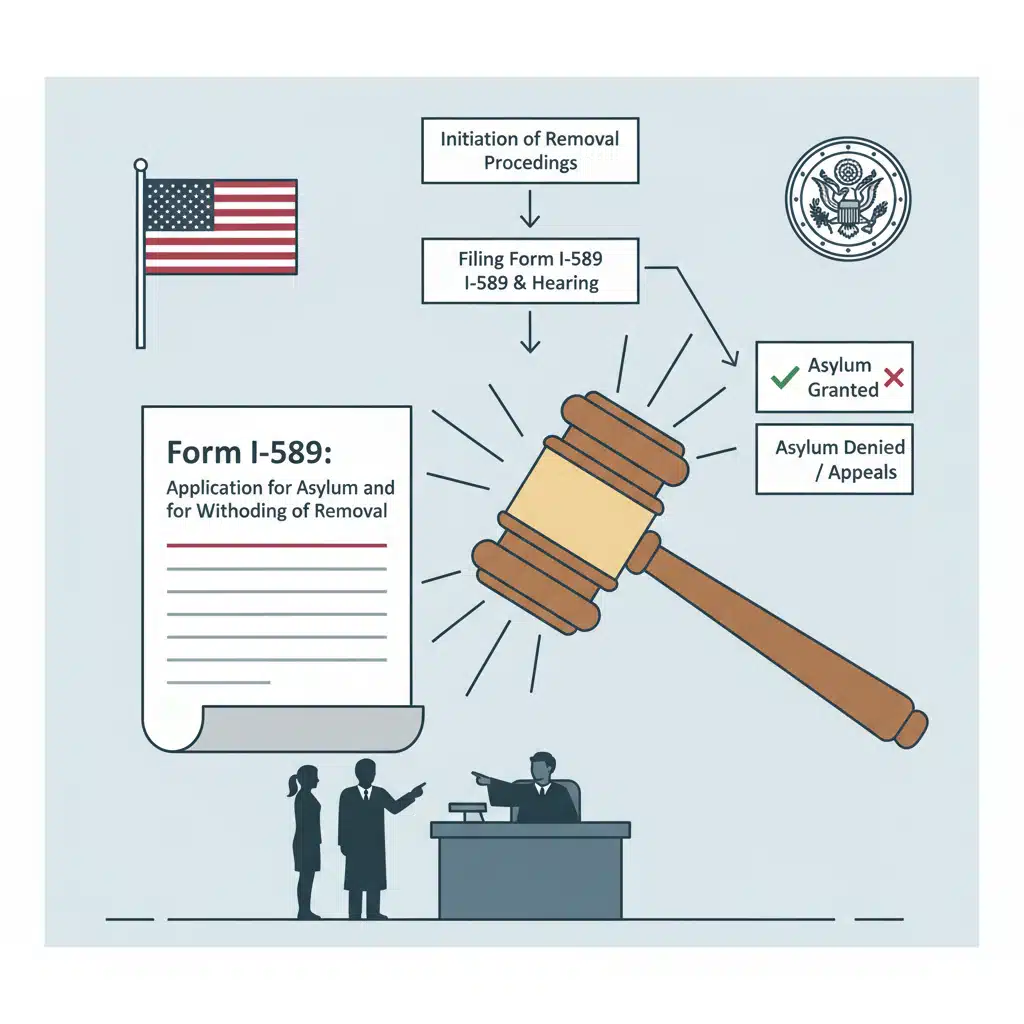
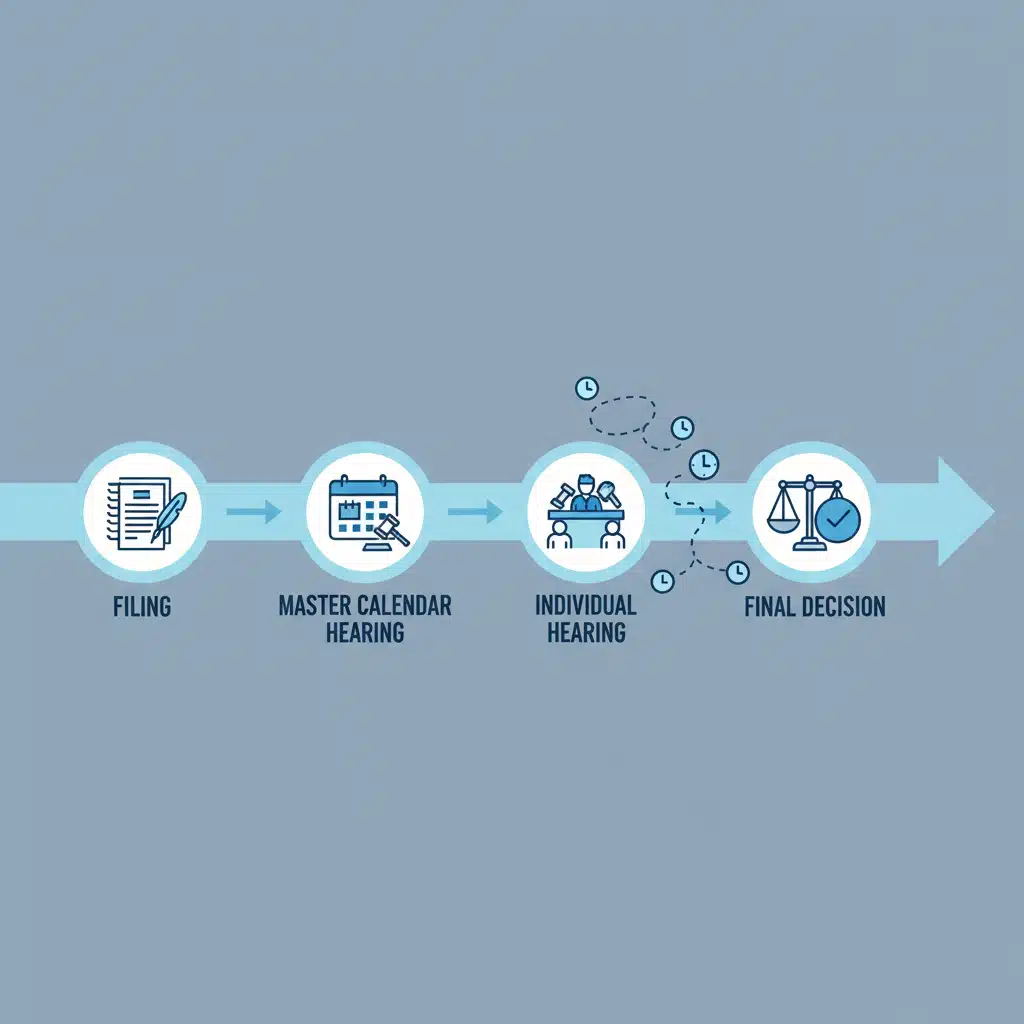
Case complexity also plays a critical role. For example, a straightforward case involving an uncontested adjustment of status might be decided within a year or two if the evidence is clear and the court’s schedule allows. Conversely, complicated cases, such as asylum claims, involve multiple hearings, large volumes of supporting documents, expert witnesses, and often require interpreters. These complexities create additional steps, which further slow the process and lead to frequent rescheduling.
Emergencies or procedural issues can stretch timelines even further. For instance, if someone needs extra time to collect evidence, find an attorney, or if language barriers exist, a judge may reschedule the hearing months (or even a year) out, pushing the timeline back significantly.
Additional Factors Contributing to Delays
- Court Closures and Cancellations: Unpredictable events like public health emergencies or government shutdowns can force courts to close or cancel hundreds of hearings, adding to delays.
- Policy Changes: Shifts in administration priorities—such as focusing on newer cases (recent arrivals) or certain populations—can bump older cases further down the calendar.
- Staff Shortages: There simply aren’t enough immigration judges or support staff to keep pace with the incoming case volume, despite hiring efforts.
Navigating the Extended Timeline
While you can’t directly speed up the court process, you do have ways to protect yourself and keep your case on track:
- Retain Experienced Legal Counsel: An experienced immigration attorney can help you comply with all court deadlines, prepare you for hearings, and advocate for your interests. They understand court procedures and can often anticipate scheduling changes or complications.
- Stay Organized: Maintain a case file that includes all legal documents, notices from the court, correspondence with your attorney, receipts, and supporting evidence. Keeping everything organized can prevent missed deadlines or overlooked details.
- Monitor Your Case Status Frequently: Use EOIR’s automated hotline (1-800-898-7180) or online portal to regularly check the status of your case. Sometimes hearing dates change with little notice.
- Keep Your Address Updated: Notify the court immediately of any change in your address using the EOIR-33 form. Missing a notice due to address issues can lead to a removal order in your absence.
- Prepare for Delays: Understand that timelines may shift multiple times. Be prepared mentally and financially for a process that could take years.
- Attend All Hearings and Submissions on Time: Missing a court date or deadline can result in a negative outcome or even an in-absentia removal order. Set reminders and double-check all correspondence.
What to Do While Waiting
- Plan for Your Life Here: Explore options for employment authorization (if available), seek out community resources, and stay informed about changes in immigration law.
- Stay in Contact with Your Attorney: Update them about your circumstances, provide requested documents promptly, and ask questions if you feel uncertain about your next steps.
- Manage Stress and Seek Support: Waiting on your case outcome can be stressful. Reach out to trusted friends, family, or community organizations for practical and emotional support.
While the lengthy timelines in immigration court can be daunting, staying proactive, organized, and well-informed will give you the best chance of a positive outcome once your case is finally heard.