
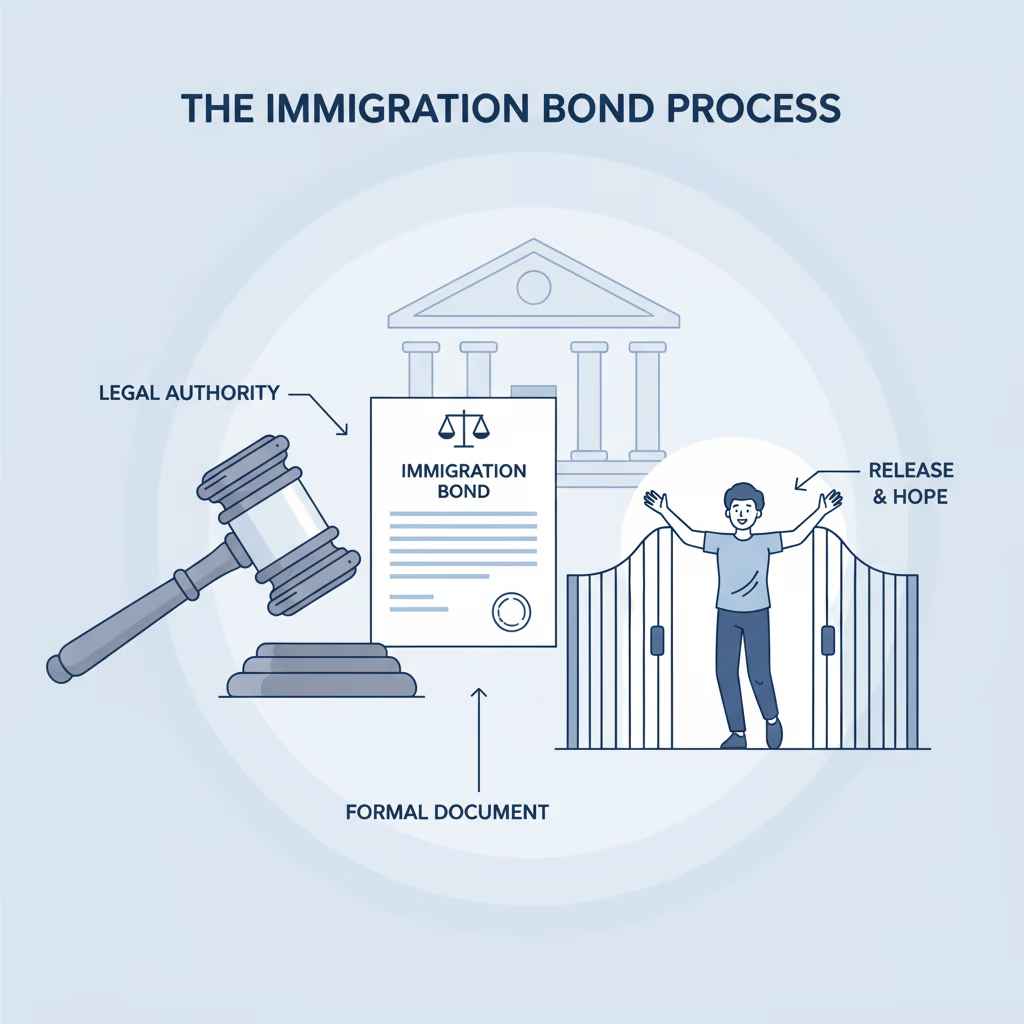
Navigating the complexities of the immigration system can be challenging, especially when a loved one is detained. An important tool in this process is the immigration bond. This guide will walk you through what an immigration bond is, its purpose, the different types, and how you can obtain one.
What Is an Immigration Bond?
An immigration bond is a type of surety bond used in federal immigration proceedings. Its primary purpose is to guarantee that a detained individual will attend all of their immigration court hearings and comply with any final order of removal if their case is denied. In exchange for this financial guarantee, Immigration and Customs Enforcement (ICE) will release the person from detention.
Essentially, the bond acts as collateral. If the individual fails to appear for their court dates, the bond amount is forfeited to the government.
The Purpose of an Immigration Bond
The main goal of an immigration bond is to secure the temporary release of a person from an ICE detention facility. This release offers several significant advantages. It allows the individual to return to their family and community while their immigration case proceeds. It also makes it much easier for them to work with an attorney, gather evidence, and prepare a strong case for their defense. Being out of detention can greatly reduce the stress and emotional strain associated with immigration proceedings.
Types of Immigration Bonds
There are two primary types of immigration bonds that you may encounter:
- Delivery Bond: This is the most common type of immigration bond. It ensures that the detained person will be present for all required immigration hearings. The bond amount is set by an immigration judge or an ICE officer based on factors like the person’s flight risk, community ties, and criminal history. Once the conditions of the bond are met and the case is concluded, the money is returned to the person who paid it.
- Voluntary Departure Bond: In some cases, an individual may be granted the option to leave the United States voluntarily by a specific date. A voluntary departure bond ensures that the person will actually depart as promised. If they leave on time, the bond money is returned. If they fail to depart, the bond is forfeited, and the voluntary departure grant turns into a final order of removal.
The Process of Obtaining an Immigration Bond
Securing an immigration bond involves several key steps.
1. Bond Eligibility and Determination
First, an immigration judge or an ICE officer must determine if the individual is eligible for a bond. Not everyone is. For example, individuals with certain criminal convictions may be subject to mandatory detention and are not eligible for a bond.
If the person is eligible, the judge or officer will set the bond amount. The minimum amount for a delivery bond is typically $1,500, but it can be much higher depending on the specific circumstances of the case.
2. Finding an Obligor
The person who pays the bond is known as the “obligor.” This person must be a U.S. citizen or a lawful permanent resident with legal status in the United States. The obligor is legally responsible for ensuring the released individual attends their court hearings.
3. Paying the Bond
Once the bond amount is set, the obligor can pay it. There are two ways to do this:
- Direct Payment: The obligor can pay the full bond amount directly to ICE. This is done at an ICE ERO bond acceptance facility. The payment must be in the form of a cashier’s check or money order made payable to the “U.S. Department of Homeland Security.” Upon the successful conclusion of the immigration case, the full amount is refunded to the obligor.
- Immigration Bond Company: If the obligor cannot afford the full bond amount, they can work with a licensed immigration bond company. The company will charge a non-refundable fee, usually a percentage of the total bond amount. They may also require collateral, such as property. The bond company then pays the full bond to ICE. This allows for the person’s release without the obligor needing to have the full cash amount upfront.
4. Release from Detention
After the bond is posted and the paperwork is processed, ICE will release the individual from the detention center. This process can take anywhere from a few hours to a few days.
Important Considerations
- Bond Hearings: If you believe the bond amount set by ICE is too high, you can request a bond hearing before an immigration judge to ask for a reduction. You will need to present evidence showing that the individual is not a flight risk or a danger to the community.
- Bond Refund: The bond money is returned to the obligor once the immigration case is officially closed, regardless of the outcome. However, the process is not automatic. The obligor must present the original bond paperwork and receipt to ICE to request the refund.
- Compliance is Key: The most important responsibility after release is to ensure full compliance with all bond conditions. This means attending every court hearing and notifying ICE of any change of address. Failure to do so will result in the forfeiture of the bond and can have severe consequences for the immigration case.
Understanding how immigration bonds work is a critical step in helping a detained loved one. By knowing the process and requirements, you can be better prepared to take swift and effective action.