
If you’re facing immigration court, the first thing you need is clarity. I’m Michael Piri, and I help people understand the immigration court process so they can make smart decisions instead of reacting out of fear.
An immigration hearing is part of removal proceedings, which is the legal process the government uses to decide whether someone can stay in the United States. These cases take place in an EOIR court, where an immigration judge reviews the government’s claims and gives you the chance to respond.
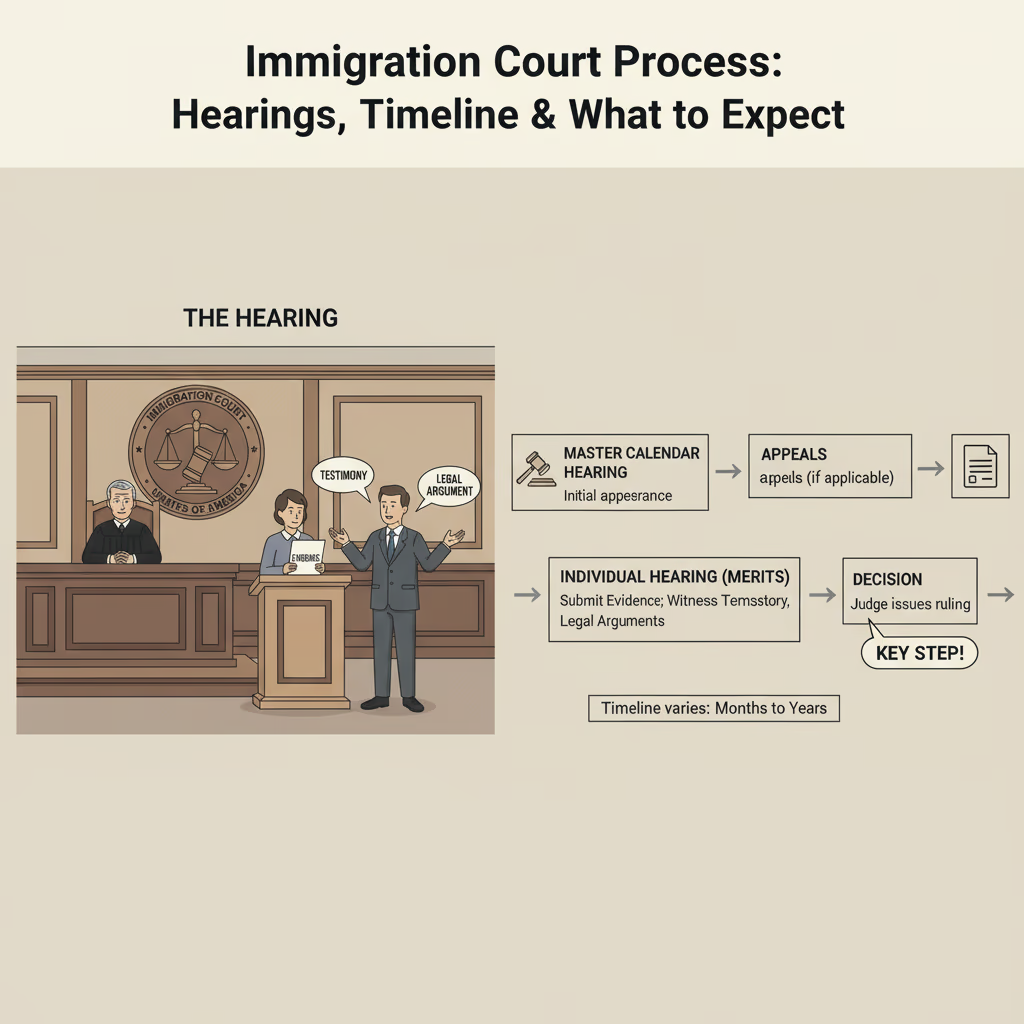
That process usually includes two main hearings. The first is the Master Calendar hearing, which focuses on scheduling and next steps. The second is the Individual hearing, where you present your full case, and the judge makes a decision.
In this guide, I walk you through what happens, when it happens, and how each step affects your case, so you can prepare adequately.
The 1st Hearing: Master Calendar Hearing (Scheduling Hearing)
The Master Calendar hearing is your first immigration hearing, and it sets the direction for your entire case. You must take this hearing seriously because, although the judge doesn’t decide the case here, every major deadline and next step is set in stone at this stage.
This hearing happens early in removal proceedings at an EOIR court, often with many cases scheduled on the same day. The goal isn’t to argue evidence, but to make sure everyone understands why the case is in court and how it will proceed.
How the Judge Explains the Charges
After the case is called, the judge reviews the charges listed in your Notice to Appear. These charges explain why the government believes you can be removed from the United States. You must respond by admitting or denying them, and this response matters because it affects which defenses and forms of relief stay available later in your immigration hearing.
This is one of the reasons I caution people against answering quickly without legal guidance.
Your Rights at This Stage
The judge will clearly explain your rights before moving forward. This includes your right to hire a lawyer, your right to look for free legal services, and your right to present evidence and challenge the government’s claims later in the case. Because the immigration court doesn’t provide a free government attorney, this explanation is meant to protect you from proceeding without understanding your options.
Scheduling and Next Steps
The final and most important part of the Master Calendar hearing is scheduling. This is where the judge sets the pace of your case and creates enforceable deadlines, including:
- When applications, such as asylum or cancellation of removal, must be filed
- When evidence and supporting documents are due
- The date of your next immigration hearing, usually the Individual hearing
Before ending the hearing, the judge explains the consequences of missing deadlines or failing to appear, which can result in an automatic removal order. He also briefly outlines how appeals work if a future decision does not go in your favor.
The 2nd Hearing: Individual (Merits) Hearing (Evidence Hearing)
The Individual hearing, also called the merits hearing, is the most important immigration hearing in the entire immigration court process. This is where your case is fully heard and where the judge decides the outcome of your removal proceedings.
Unlike the Master Calendar hearing, this isn’t about scheduling. It’s where facts, evidence, and testimony matter.
This hearing takes place in an EOIR court and focuses only on contested issues. That means the judge looks at whether the government has proven its case and whether you qualify for relief, such as asylum, cancellation of removal, or adjustment of status.
How the Hearing Works
Once the hearing begins, the judge turns on the court recorder, which creates the official record of your case. The judge confirms who is present, verifies your identity, and makes sure everyone understands the purpose of the hearing. From that point on, everything said in the courtroom is under oath.
If you don’t speak English well, the court provides an interpreter to help you fully participate. Clear communication matters here because the judge’s decision is based on what is said and proven during this immigration hearing.
Your Role and the Government’s Role
The hearing usually follows this order:
- You or your lawyer gives an opening statement explaining what you’re asking for and why
- You present testimony, documents, and witnesses to support your case
- The government, through DHS, presents its witnesses and evidence
- Both sides can question each other’s witnesses and challenge evidence
- You end with a closing statement that ties everything together
Throughout the hearing, the judge may ask questions to clarify important points.
Language Access and Communication
Interpreters are provided at no cost, but comfort with language still matters. Because I speak Spanish and French and have working knowledge of Greek and Farsi, I help clients feel understood and prepared before they enter the EOIR court. That preparation often makes the difference between confusion and confidence when your future is at stake.
Your Rights and Responsibilities
When you walk into an EOIR court, you’re expected to know your role in the immigration court process. My job is to make sure you understand both what you’re allowed to do and what you’re required to do, because mistakes in removal proceedings often happen when people don’t know their rights.
Your Rights in Immigration Court
- Right to a Lawyer: You have the right to hire a lawyer at your own expense. If you don’t have one, the judge must explain this right and may give you time to find legal help before continuing your immigration hearing.
- Right to Present Evidence: You may testify, submit documents, and bring witnesses to support your case, even if you do not have a lawyer. The judge can ask questions to better understand the facts.
- Right to an Interpreter: If English isn’t your first language, the court will provide an interpreter at no cost so you can fully understand and participate. Everything said is translated and given under oath.
- Right to Appeal: After the Individual hearing, you or the government may appeal the decision to the Board of Immigration Appeals. The judge will explain the deadline, which must be followed strictly.
These rights exist to protect you, but they only help if you use them correctly.
Your Responsibilities in Court
You must attend every scheduled immigration hearing and arrive early to clear security. Missing a hearing or arriving late can result in an automatic removal order.
At your first hearing, you must also respond to the charges and explain what relief you’re requesting, such as asylum, and follow all filing deadlines set by the judge.
After the Hearing
Once the immigration hearing ends, many people expect instant answers, but this stage still matters. What happens after the hearing can shape the final outcome just as much as what happened inside the EOIR court.
At this point, the case moves from presentation to decision, and how you respond next can either protect or weaken your position.
The Judge’s Decision
After both sides finish presenting their case, the judge issues a decision. Sometimes the judge gives an oral decision right away and follows it with a short written summary. Other times, the judge takes the case under review and sends a written decision later.
That decision will do one of three things:
- Grant relief
- Deny relief
- Order removal
This officially closes this stage of the immigration court process.
If the Judge Grants Relief
If the judge grants relief, such as asylum, they will explain what happens next and how to complete the required paperwork. This step matters because approval in court does not automatically complete your status.
You must follow the instructions carefully to protect what you’ve been granted.
If the Judge Orders Removal
If the judge orders removal, your options depend on your situation. Some people may be taken into custody, while others may remain free on bond while removal proceedings continue or while an appeal is pending.
Even at this stage, you still have rights.
Appeals and Certification
One of those rights is the right to appeal. Both you and the government can appeal the decision to the Board of Immigration Appeals, and the judge will explain the deadline. Missing that deadline can end your case permanently.
In some cases, the judge may also certify the case to the BIA. Even then, if you want to challenge the decision, you must still file your own appeal to protect your position.
Conclusion & Next Steps
The immigration court process can feel overwhelming, but it does not have to feel confusing. When you understand how an immigration hearing works, from the first notice to what happens after a decision, you put yourself in a stronger position inside the EOIR court and avoid mistakes that can permanently affect your case.
I guide my clients through removal proceedings step by step, with clarity, preparation, and respect for what’s at stake. At The Piri Law Firm, we proudly serve the Latino community and work closely with our clients in Spanish, French, and other languages to make sure nothing is lost in translation.
If you or a loved one is facing immigration court, don’t wait until a deadline passes. Contact my office for a free 30-minute consultation, and let’s talk about how to protect your future the right way.