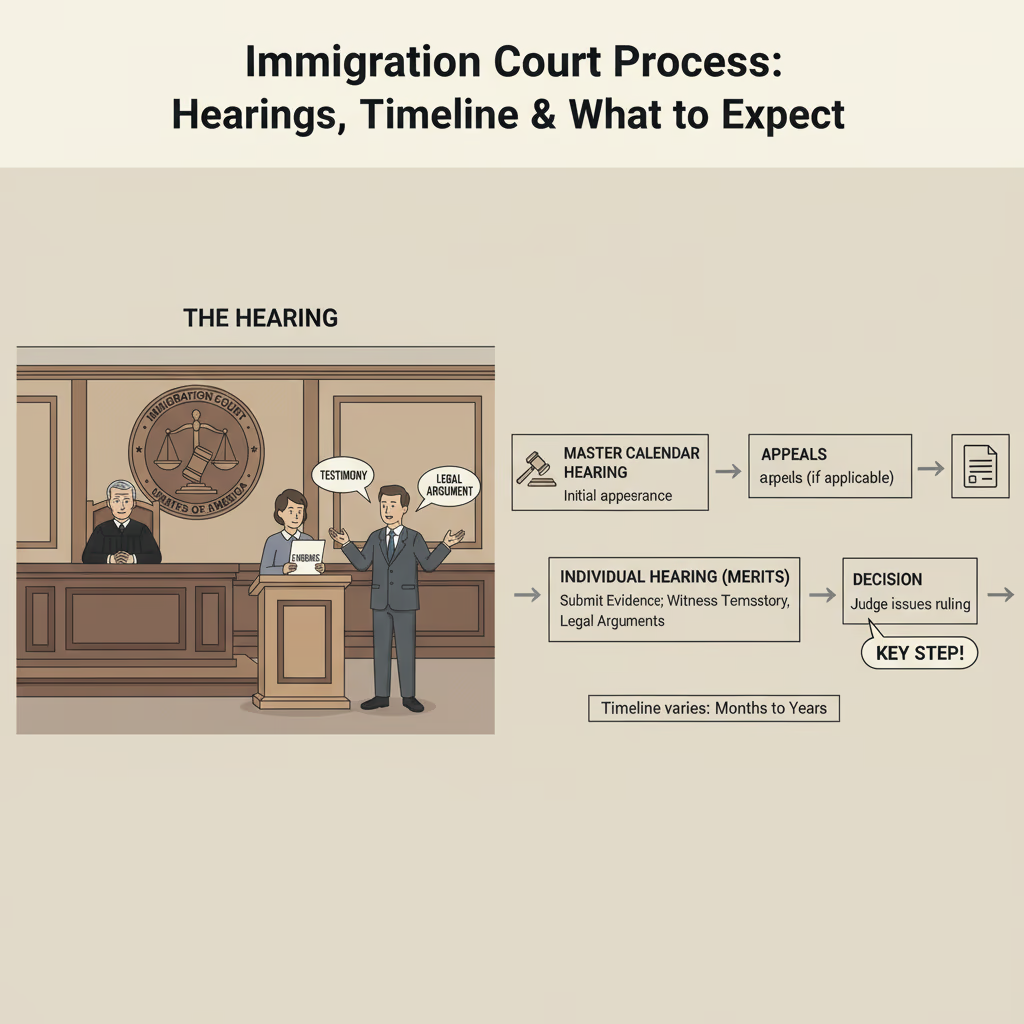
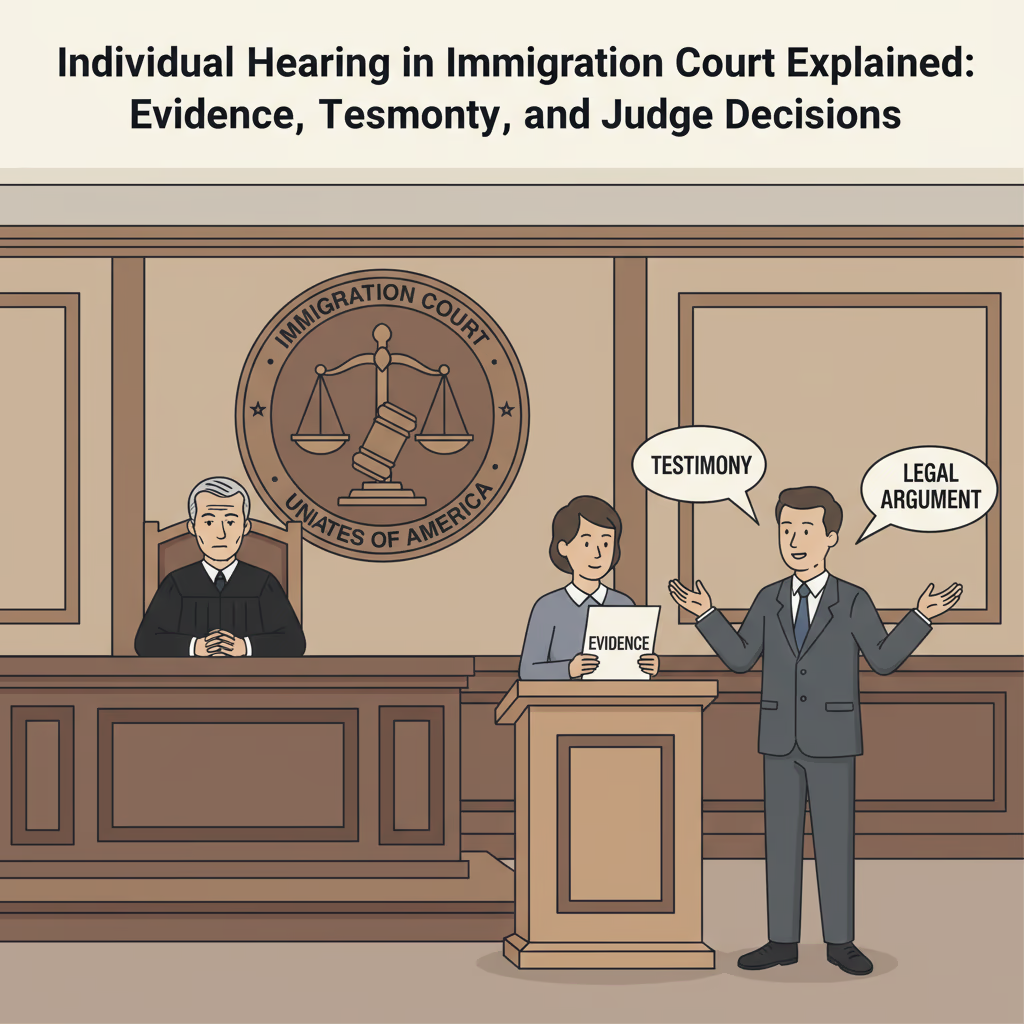
Also known as a merits hearing, an individual hearing in immigration court is one of the most critical stages in removal or deportation proceedings. This is because it often leads to the judge’s final decision on your ability to stay in the US.
During the hearing, an immigration judge reviews all key evidence, hears testimony, and decides whether a noncitizen may remain in the country or be removed.
Because the outcome of an individual hearing can permanently affect your future and life, understanding how the process works is essential. And Michael Piri, a trusted deportation defense attorney, is here to help.
In this guide, Michael explains what happens during an individual hearing, what evidence is required, how testimony is evaluated, and how immigration judges reach their decisions.
What Is an Individual Hearing in Immigration Court?
An individual hearing is a formal court proceeding where the immigration judge determines the merits of a respondent’s removal or deportation case.
Unlike a Master Calendar Hearing, which is brief and procedural, an individual hearing is longer, more detailed, and focused entirely on the legal relief requested.
At this stage, the judge determines whether the respondent qualifies for immigration relief, such as:
- Asylum
- Withholding of removal
- Protection under the Convention Against Torture (CAT)
- Cancellation of removal
- Adjustment of status
- Waivers of inadmissibility
The respondent bears the burden of proving eligibility for relief, making preparation and legal strategy critical. As such, working with a reputable deportation attorney like Michael improves your chances of a better outcome.
Who Is Present at an Individual Hearing?
During an individual hearing, several key participants are involved, and you need to know their roles in the process:
- Immigration judge: Presides over the hearing, evaluates evidence, and issues the final decision.
- Respondent (noncitizen): The individual facing removal and seeking relief.
- Respondent’s attorney: Presents evidence, questions witnesses, and argues the case.
- Department of Homeland Security (DHS) Attorney: Represents the government and challenges the respondent’s claims.
- Interpreter: Provided if the respondent is not fluent in English.
- Witnesses: May include family members, experts, or others supporting the case.
As the respondent, you’ll work closely with your attorney, interpreter, and witnesses to present a strong argument in your case.
Evidence in an Individual Immigration Hearing
Evidence plays a central role in an individual hearing, potentially leading to a favorable outcome in your case. All evidence must support the respondent’s eligibility for relief and credibility. Common forms include:
- Personal declarations or affidavits
- Country condition reports
- Medical or psychological evaluations
- Police reports or court records
- Proof of family relationships
- Employment records and tax filings
- Expert witness reports
- Character reference letters
Evidence must typically be submitted in advance according to strict court deadlines, often referred to as filing deadlines.
Immigration courts follow specific rules regarding evidence. For example, documents must be translated into English if originally in another language, and translations must include a signed certification. Copies must be provided to both the court and DHS
Note that late submissions may be rejected; ensure you file all evidence at least 30 days before the hearing date. Failure to follow these rules can weaken a case or result in evidence being excluded.
Testimony During an Individual Hearing
The respondent’s testimony is often the most important part of the hearing. Testimony is given under oath and typically covers:
- Personal background
- Immigration history
- Details supporting the claim for relief
- Past harm or fear of future harm (for asylum cases)
- Family ties and hardship factors
The immigration judge closely evaluates the consistency, detail, and credibility of the testimony. Also, both lawyers will examine the respondent to build their case or challenge the credibility of the testimony through:
- Direct Examination: The respondent’s attorney asks questions to present the case clearly and persuasively to build the case.
- Cross-Examination: The DHS attorney challenges the testimony, looking for inconsistencies or weaknesses.
Judges may also ask their own questions at any time during the hearing to clarify facts, guide the proceedings, and ensure complete presentation of evidence.
Witnesses can also provide testimony to strengthen a case and corroborate the respondent’s claims. Common witnesses include family members, employers, community leaders, medical professionals, and country conditions experts. The DHS may also cross-examine each of these witnesses.
Credibility and Its Impact on the Case
Credibility is a decisive factor in immigration court decisions. Judges assess credibility based on:
- Consistency between testimony and written evidence
- Level of detail and specificity
- Demeanor and responsiveness
- Plausibility of claims
- Corroborating documentation
Even minor inconsistencies can negatively affect credibility, which is why careful preparation is essential. And this is why it’s crucial to work with a reputable lawyer to build the case and gather evidence.
Legal Standards Applied by Immigration Judges
Immigration judges apply specific legal standards depending on the type of relief requested. For example:
- Asylum requires proof of past persecution or a well-founded fear of future persecution based on protected grounds.
- Cancellation of Removal requires continuous physical presence, good moral character, and exceptional hardship to qualifying relatives.
- CAT protection requires proof that torture is more likely than not if the respondent returns to their home country.
Judges rely on immigration statutes, federal regulations, Board of Immigration Appeals (BIA) precedent, and federal court decisions.
Judge Decisions: What Happens After the Hearing?
After the hearing concludes, the judge may issue an oral decision immediately in court or reserve the decision and issue a written decision at a later date. Written decisions may take weeks or months, depending on court backlogs.
Depending on the evidence presented by both sides, the judge may grant the requested relief, deny relief and order removal, or grant voluntary departure. They may also continue the case for additional evidence. Each outcome has different legal consequences and timelines.
Appeals After an Individual Hearing
If the judge denies relief, the respondent may have the right to appeal to the BIA. Appeals must typically be filed within 30 days of the decision. In this case, you will need to fill out Form EOIR-26 (Notice of Appeal) and pay a fee.
Alternatively, you can file a motion to reopen or reconsider with the judge. But appealing is preferred as it preserves your right to stay in the U.S. during the process.
An appeal does not re-try the case but reviews whether the judge made legal or procedural errors. In some cases, further review by federal courts may be possible.
Why Legal Representation Matters
Individual hearings are complex and high-stakes. Immigration law is highly technical, and mistakes can lead to permanent consequences, including deportation and long-term inadmissibility.
An experienced immigration attorney can:
- Prepare strong evidence and witness testimony
- Meet filing deadlines and procedural rules
- Anticipate government challenges
- Present persuasive legal arguments
- Protect the respondent’s rights in court
For many individuals, legal representation can make a decisive difference in the outcome. Given the complexity of such cases, having an attorney by our side can help simplify the process and cover all the bases.
Work with An Experienced Immigration & Deportation Defence Attorney
An individual hearing in immigration court is the most important opportunity for a noncitizen to present their case for remaining in the country. Success depends on credible testimony, well-documented evidence, and a clear understanding of legal standards.
Because each case is unique, careful preparation and professional legal guidance are essential. Knowing what to expect during an individual hearing can help you approach the process with confidence and clarity during one of the most critical moments of your immigration journey.
But you don’t need to go through it alone in Texas. Michael Piri can help you navigate through every step of the case to ensure a successful outcome. He is dedicated and compassionate to protect our future and life during one of the most life-changing cases.
Call us today at (833) 600-0029 to schedule your appointment and discover how Michael can assist you.