
If you’ve been scheduled for immigration court, the Master Calendar Hearing is usually your first court hearing. I’m Michael Piri, and I guide clients through this step every day so they know what to expect and how to avoid expensive mistakes.
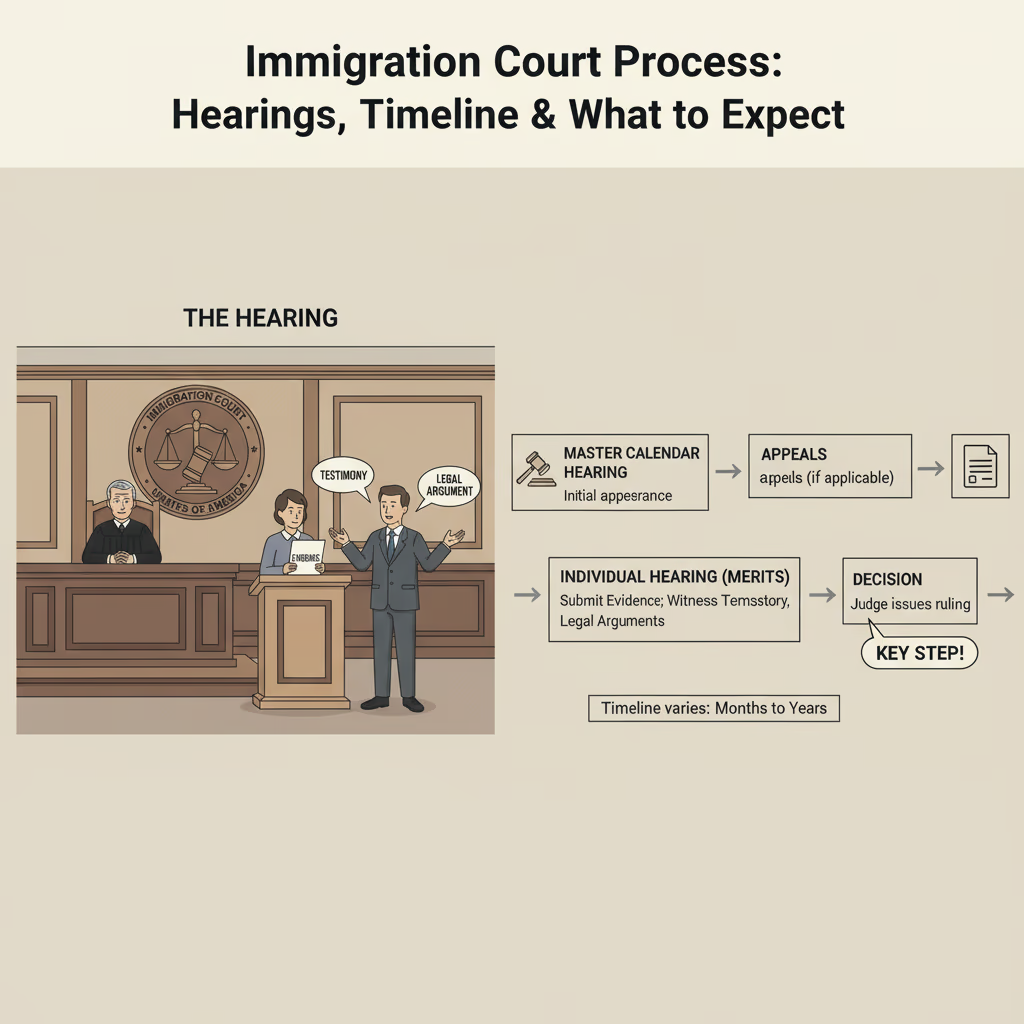
This hearing isn’t a trial, and it’s not where a final decision is made. Instead, an immigration judge reviews the Notice to Appear, confirms basic information, takes your initial responses, and sets deadlines that control the rest of your case.
The hearing is often brief, sometimes just a few minutes, but what happens here shapes everything that follows. Understanding the master calendar hearing helps you stay prepared, focused, and in control from day one. I’ll show you everything you need to know in this guide, starting with the notice to appear…
Notice to Appear (NTA): Starting Removal Proceedings
Everything in immigration court starts with one document: the Notice to Appear. This is the first thing I review with my clients because receiving an NTA means the government has formally started removal proceedings against you.
The Notice to Appear lays out the government’s allegations and explains why your case is being brought before an immigration judge. These allegations may impact the outcome of your master calendar hearing and the legal options available to you.
What the Government Is Alleging
The Notice to Appear usually includes claims such as:
- That you’re not a U.S. citizen
- How and when you entered the United States
- Whether you overstayed a visa or violated immigration rules
How these allegations are written, and whether they are accurate, affects how your court hearing unfolds.
Scheduling the First Court Hearing
After the Notice to Appear is served, the court schedules your first master calendar hearing. By law, this hearing must be set at least ten days later, giving you time to prepare. You can waive that waiting period, but doing so should be a careful decision.
Notice of Hearing and Attendance
Sometimes the Notice to Appear includes your hearing date. Other times, the court sends a separate Notice of Hearing by mail. Either way, you must appear exactly as instructed. If the court can’t reach you, the judge can move forward without you.
Preparing for Your Master Calendar Hearing
A master calendar hearing may be brief, but showing up unprepared can create problems that follow you for the rest of the case. Taking a few clear steps ahead of time helps you stay focused and confident in front of the immigration judge.
Step 1: Make Sure the Court Can Reach You
Before anything else, confirm that the immigration court has your correct address. If you move and do not file a Change of Address form (Form EOIR-33), you may never receive updates about your case. I’ve seen people lose their case simply because they missed a notice, and the immigration judge moved forward without them.
Step 2: Gather and Review Your Documents
Next, get your paperwork in order. Bring everything related to your case so you can answer questions clearly at your master calendar hearing, including:
Your hearing notice
- A valid photo ID
- Your Notice to Appear and any DHS paperwork
- Documents related to possible relief, such as asylum or family petitions
Review the Notice to Appear in advance so you understand what the government is claiming.
Step 3: Arrange Language Support If Needed
If you’re not comfortable in English, you have the right to a free interpreter at your court hearing. You can request one in advance or ask the judge directly. If you don’t understand something, say so. Clear communication matters.
Step 4: Arrive Early and Be Prepared
Plan to arrive 30 to 45 minutes early. Security takes time, and being late can create problems before you even see the judge.
Step 5: Decide on Representation
You have the right to an attorney, but the court will not appoint one for you. While you can appear alone, working with an experienced immigration lawyer helps ensure you’re prepared and protected from the start.
What Happens at the Master Calendar Hearing?
When your case is called, you step into a courtroom with several people present. You appear before an immigration judge, along with a DHS attorney, and possibly other respondents waiting for their cases. The judge confirms your name, A-number, and address on the record and makes sure an interpreter is present if you need one. This sets the foundation for everything that follows.
How the Charges Are Addressed
Next, the judge reviews the allegations listed in your Notice to Appear. These charges are explained in plain language, and you’re asked to admit or deny them. If something in the Notice to Appear is incorrect, this is the moment to raise it. How you respond here matters because it affects what issues remain open later.
Your Pleadings and Intentions
After the charges, you state your position and plans. This part moves the case forward and usually includes:
- Confirming whether you were properly served
- Admitting or denying the allegations
- Designating a country of removal
- Telling the judge what relief you plan to seek
- Estimating how much time you’ll need for your full hearing
Scheduling, Rights, and Next Steps
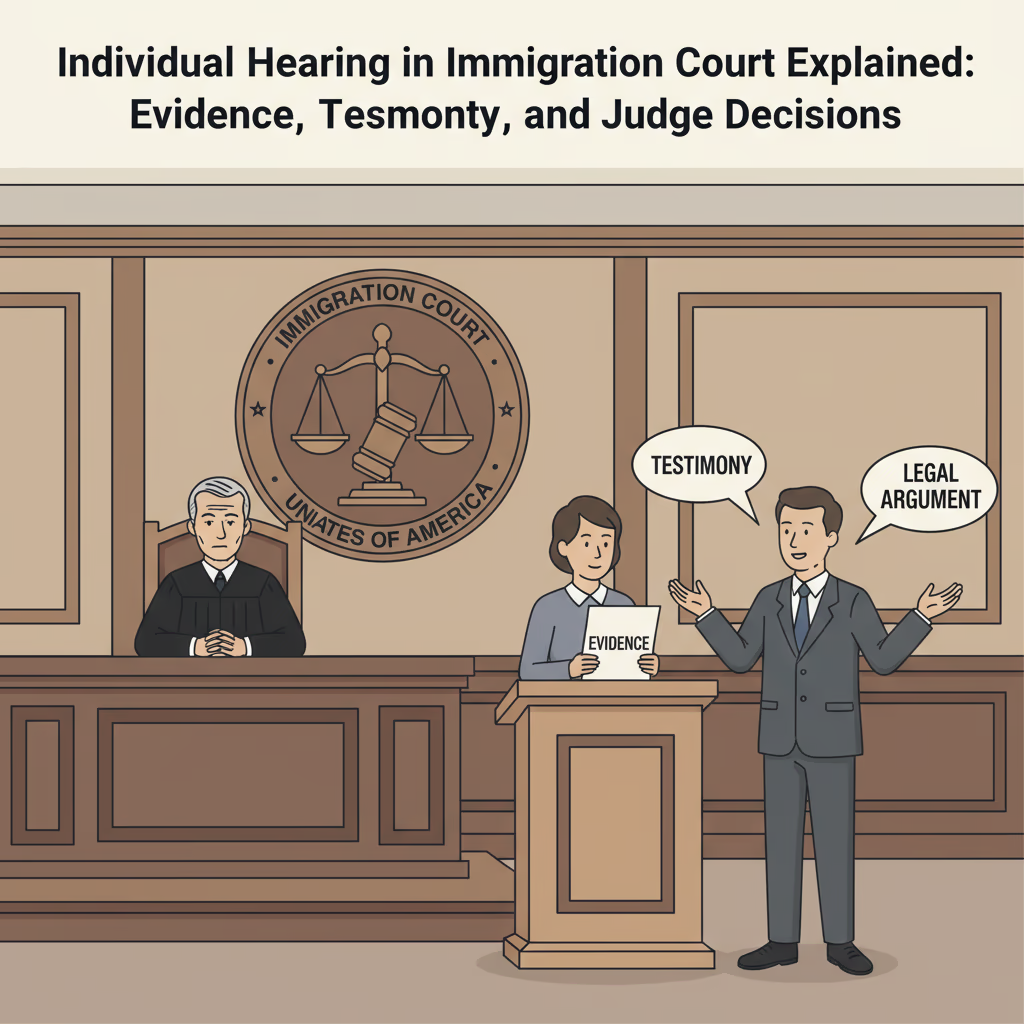
The judge then sets deadlines and schedules the next court hearing, usually the Individual Merits Hearing. Before ending, the judge explains your rights, warns you about missing hearings, and reminds you that no final decision is made at the master calendar hearing.
What Happens If You Miss Your Master Calendar Hearing?
Missing a master calendar hearing is one of the most serious mistakes I see in immigration court. Even though this hearing is short, the law treats it as mandatory, and the consequences of not showing up can be permanent.
If you fail to appear without good cause, the immigration judge can order you removed in your absence. This is called an in absentia removal order. When that happens, you lose your chance to explain your case, challenge the Notice to Appear, or ask for relief. Reopening a case after an order like this is possible, but it is difficult and often requires strong proof.
If an emergency prevents you from attending your court hearing, you must act quickly. Contact your lawyer or the court clerk as soon as possible to explain what happened. At your next appearance, you should be prepared to show evidence of the emergency, such as a medical note or other documentation.
Showing up, even when the process feels overwhelming, protects your right to be heard and keeps your case moving forward.
How to Make the Most of Your Master Calendar Hearing
A master calendar hearing may be short, but how you handle it can shape the rest of your case. I tell my clients that this court hearing isn’t about arguing facts yet; it’s about setting the case up correctly from the start.
Work With an Attorney
People represented by counsel consistently do better in immigration court. An experienced attorney knows how to respond to the Notice to Appear, protect your options, and meet every deadline the immigration judge sets. At The Piri Law Firm, we understand local court procedures in Dallas and Fort Worth and guide clients through this hearing with clarity and confidence, in English or Spanish.
Be Honest and Direct
When the judge asks questions, answer truthfully and keep your responses clear. At this stage, simple “yes” or “no” answers are usually enough when admitting or denying charges. Volunteering extra information can create confusion or raise issues before you’re ready to address them.
Prepare Your Pleadings in Advance
Strong preparation makes the hearing smoother. Before your master calendar hearing, work with your attorney to prepare your pleadings, including:
- Admissions or denials of the allegations
- The relief you plan to seek
- Any waivers or requests allowed at this stage
Clear pleadings help the judge understand your case and keep it moving forward efficiently.
Conclusion & Next Steps
A master calendar hearing may feel brief, but it plays a critical role in your immigration case. When you understand what the immigration judge expects and how to respond to the Notice to Appear, you avoid mistakes that can limit your options before your case truly begins.
I guide my clients through every court hearing with preparation, clarity, and care. At The Piri Law Firm, we proudly serve the Latino community and take the time to explain each step in plain language, in English or Spanish, so nothing is left to chance.
If you’re facing a master calendar hearing or have already received a Notice to Appear, don’t wait. Contact my office for a free 30-minute consultation, and let’s talk about how to protect your rights and your future the right way.