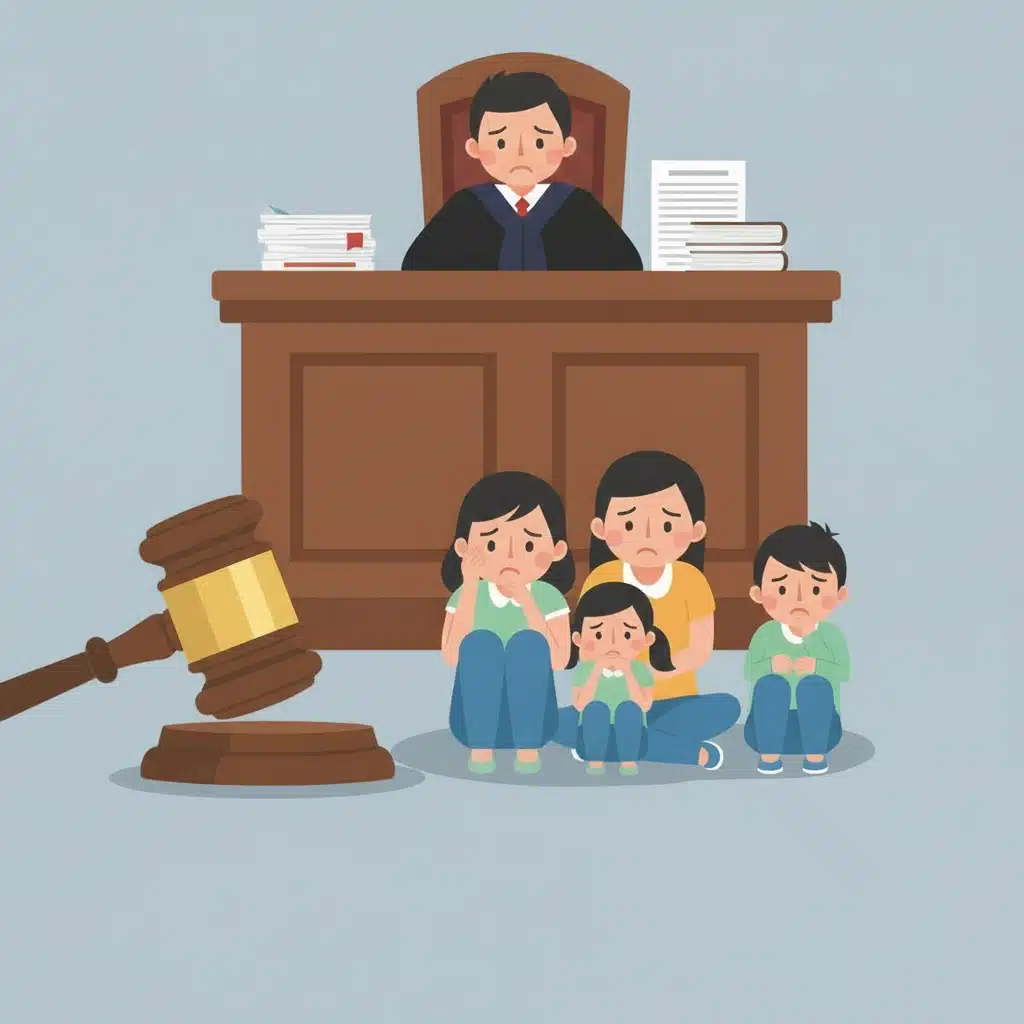
Receiving a denial for a 42B Cancellation of Removal application is a devastating outcome. After years of waiting and building a case, a negative decision from an immigration judge can feel like the end of the road. For many, this application represents the last and best hope to remain in the United States with their families.
While no case is ever guaranteed, understanding why applications fail is one of the most powerful tools you can have. By learning from common mistakes, you can proactively build a stronger case, avoid critical errors, and significantly improve your chances of success.
This guide explores the top reasons 42B applications are denied in immigration court, from failing to meet the strict legal standards to simple but costly procedural mistakes. We will also discuss what options may be available if you do receive a denial.
What is 42B Cancellation of Removal?
Before diving into denial reasons, it’s important to remember what’s at stake. 42B Cancellation of Removal is a form of relief from deportation available to certain non-permanent residents in immigration court. A successful application not only cancels the removal proceedings but also grants the applicant lawful permanent resident status (a Green Card). Because the benefit is so significant, the legal requirements are demanding, and judges scrutinize every detail of the case.
Reason 1: Failure to Meet the Hardship Standard
By far, the most common reason for a 42B denial is the failure to prove “exceptional and extremely unusual hardship.” This is the highest and most difficult hurdle to clear.
The Mistake: Applicants often misunderstand the standard. They focus on the hardship they will face if deported—losing their job, home, and community. While these are valid personal struggles, the law requires the focus to be on a qualifying relative: a spouse, parent, or child who is a U.S. citizen or lawful permanent resident.
The hardship to that relative must be substantially more severe than the typical emotional and financial pain of family separation.
How to Avoid It:
- Be Specific: Do not just say your child will be sad. Demonstrate that your U.S. citizen child has a severe medical condition that requires care only you can provide, or that the medical treatment they need is unavailable in your home country.
- Gather Expert Evidence: A simple letter from a doctor is not enough. Obtain a detailed report from a specialist (e.g., a psychologist, oncologist, or developmental pediatrician) explaining the precise impact your removal would have on your relative’s health and well-being.
- Document Everything: Provide medical records, school records with Individualized Education Programs (IEPs), and expert declarations on country conditions to show that moving abroad would cause exceptional harm.
Reason 2: Insufficient Proof of Continuous Presence
To be eligible, you must prove you have lived in the U.S. continuously for at least 10 years before your removal proceedings began.
The Mistake: An applicant might have lived here for 12 years but only have documents for seven of them. A gap of a few months or a year in your evidence can be fatal to your case. Another critical error is having traveled outside the U.S. for more than 90 days on a single trip or 180 days total, which automatically breaks continuous presence.
How to Avoid It:
- Create a Timeline: Go year by year and gather at least one piece of evidence for each.
- Think Beyond the Obvious: If you don’t have utility bills or a lease for a certain year, look for other records: children’s school report cards, medical check-up receipts, bank statements, affidavits from neighbors or religious leaders, or even dated photographs.
- Review Your Travel History: Be honest with your attorney about every trip you have taken outside the country so they can accurately assess your eligibility.
Reason 3: Problems with Good Moral Character
You must prove you have been a person of “good moral character” for the 10-year period.
The Mistake: Applicants sometimes believe that if they haven’t been convicted of a serious crime, this requirement is automatic. However, a judge can find a lack of good moral character for other reasons. This can include failing to file taxes, not paying child support, or having multiple arrests even without convictions. Furthermore, certain crimes, like an aggravated felony or a crime involving moral turpitude, create a statutory bar to proving good moral character.
How to Avoid It:
- File Your Taxes: If you haven’t filed taxes for the past 10 years, work with an accountant to file back taxes before your hearing.
- Be Honest About Your Record: Disclose every arrest or conviction to your attorney. Lying or hiding information is one of the fastest ways to lose your case. An experienced lawyer can analyze your criminal history to see if it disqualifies you.
- Gather Positive Evidence: Collect letters of support from your employer, community leaders, and friends that speak to your character and contributions.
Reason 4: Credibility Issues and Inconsistent Testimony
An immigration judge must believe you are telling the truth. If your testimony in court contradicts your written application or other evidence, your credibility will be destroyed.
The Mistake: During cross-examination by the government attorney, an applicant gets nervous and misspeaks about a date, a job, or a detail about their family. Or, their testimony about their child’s medical condition doesn’t match the doctor’s letters. Once a judge doubts your honesty on one point, they may doubt your entire story.
How to Avoid It:
- Prepare, Prepare, Prepare: Your individual merits hearing is your trial. You must practice your testimony with your attorney. Go over your application line by line to ensure you remember what you wrote.
- Know Your Case: You should be the expert on your own life. Review all the evidence you submitted so your testimony is consistent with the documents.
- Tell the Truth: If you don’t remember something, it is better to say “I don’t recall” than to guess and give an incorrect answer.
Reason 5: Procedural Errors and Missed Deadlines
Immigration courts operate on strict deadlines. A simple administrative mistake can end your case before it even has a chance to be heard on its merits.
The Mistake: An applicant moves and fails to file a change of address form (EOIR-33). The court sends a hearing notice to the old address, the applicant misses the hearing, and the judge issues an in absentia order of removal. Other errors include failing to file the EOIR-42B application or supporting documents by the judge’s deadline.
How to Avoid It:
- Always Update Your Address: This is the single most important administrative task. File the EOIR-33 with the court immediately after you move.
- Respect Court Deadlines: Work closely with your attorney to ensure all documents are filed on time.
- Hire an Attorney: The complexity of court procedures is one of the strongest arguments for hiring an experienced immigration lawyer. They manage deadlines and ensure all procedural rules are followed.
What Happens After a Denial?
A denial is not always the final word. You may have options, but you must act quickly.
- Appeal to the Board of Immigration Appeals (BIA): You have 30 days from the judge’s decision to file a Notice of Appeal. The BIA will review the judge’s decision for legal or factual errors. An appeal does not allow you to submit new evidence; it argues that the judge made a mistake based on the evidence presented.
- Motion to Reopen: If new, previously unavailable evidence comes to light that could change the outcome of your case, you can file a motion to reopen. For example, if your U.S. citizen child is diagnosed with a serious illness after your hearing, this may be grounds to reopen the case.
- Motion to Reconsider: If you believe the judge made a legal error in their decision, you can file a motion asking them to reconsider.
Both motions have strict deadlines and requirements, making legal counsel essential.
Conclusion
Winning a 42B Cancellation of Removal case requires building an airtight application that leaves no room for doubt. By focusing on proving exceptional hardship, meticulously documenting your presence, demonstrating strong moral character, and preparing for your testimony, you can avoid the common pitfalls that lead to denial. Given the life-changing consequences, navigating this process with the guidance of an experienced immigration attorney is the best way to protect your future in the United States.