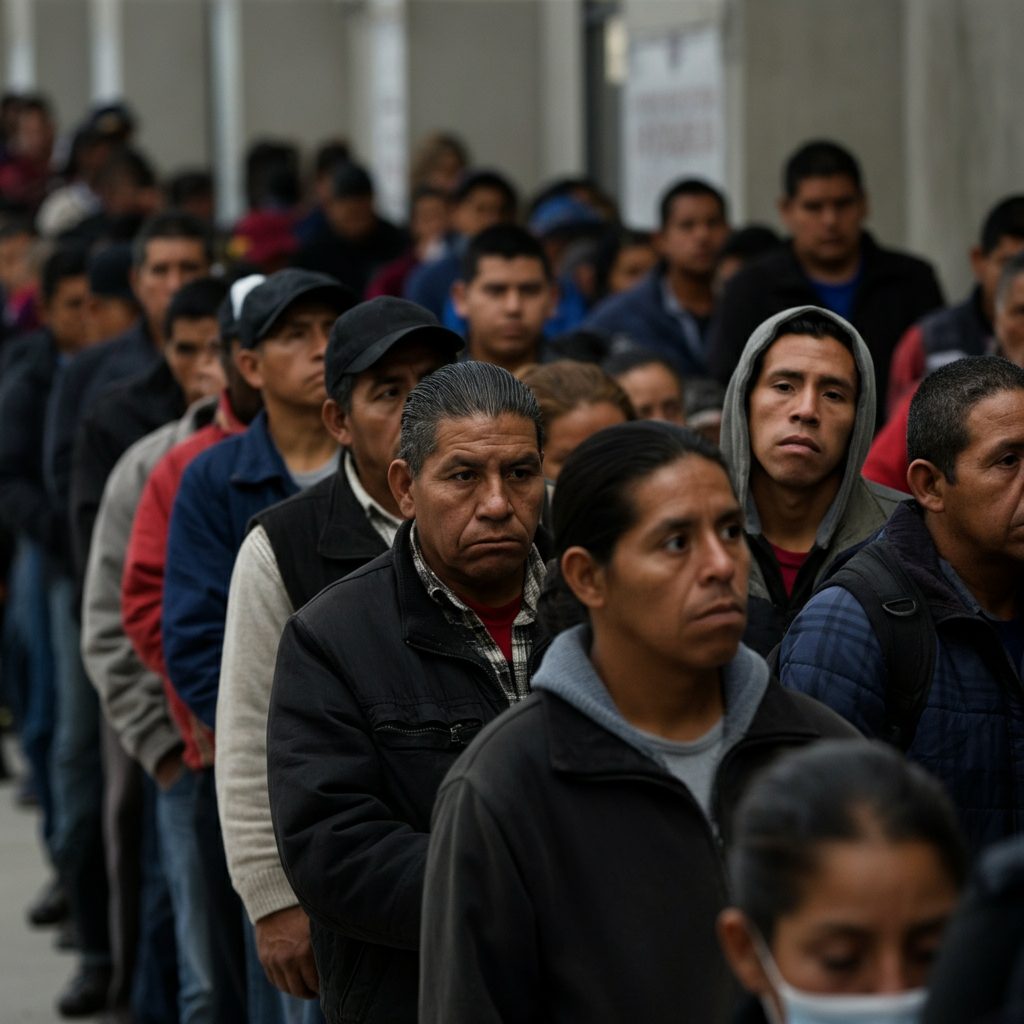
America’s immigration policies have always been a topic of intense debate, but in recent years, Donald Trump’s presidency signaled a seismic shift in the immigration landscape. Under his administration, sweeping immigration reforms were introduced—with both fervent supporters and vocal detractors arguing the potential consequences for the country’s economy, legal structure, and society at large.
This blog explores the key changes implemented during Trump’s tenure, their impact on immigrants, economic ripple effects, and the associated legal challenges. For those concerned about America’s approach to immigration or considering a path to the United States, this post aims to shed light on the reform’s broader implications.
Key Changes Introduced in Trump’s Immigration Policies
Immigration reform during Trump’s presidency focused on stricter border control, reduced legal immigration, and revised asylum policies. Some notable changes include:
1. Increased Border Security
Trump’s flagship proposal was the construction of the US-Mexico border wall. $15 billion was earmarked for this, alongside a shift in operational policies for Customs and Border Protection (CBP). Enforcement increased dramatically, implementing family separations under the controversial zero-tolerance policy.
2. Reduced Visa Approvals
Skilled immigrant workers faced harsher restrictions due to new rules under the H-1B visa and others. Visa denials rose steeply, with rejection rates climbing from 6% in 2015 to nearly 24% by 2019 for initial H-1B applications.
3. Changes to Asylum Policies
Trump’s reforms altered the framework for asylum seekers. Policies like the Migrant Protection Protocols (known as “Remain in Mexico”) required asylum seekers to wait for court proceedings outside the United States. The introduction of stricter criteria and fewer approval pathways also slowed the asylum claims process.
4. Travel Bans
Known widely as the “Muslim Ban,” Proclamation 9645 restricted travel and entry for citizens from several predominantly Muslim countries, sparking debates over religious discrimination.
5. End of DACA Protections
A significant move was the attempted reversal of Deferred Action for Childhood Arrivals (DACA), putting nearly 700,000 recipients protected under the program (colloquially known as “Dreamers”) in jeopardy.
How These Changes Impact Immigrants
Immigration reform under Trump had far-reaching consequences for immigrants, both current and future.
Humanitarian Crises
“The changes are reshaping the landscape for asylum seekers and refugees,” says Maria Lopez, Human Rights Advocate. Families seeking refuge at the border were often separated due to new policies, creating psychological harm and financial vulnerabilities. For instance, a widely publicized case involved a Honduran mother being separated from her two children for months while awaiting a case review.
Skilled Immigrant Workers
For industries reliant on high-skilled labor such as tech, the policy changes were particularly disruptive. A significant example is the tech sector, where companies including Google and Microsoft were forced to reevaluate hiring strategies due to a sharp decrease in skilled-worker visa approvals.
Family and Immigration-Based Visas
Families were disproportionately impacted. Stricter policies on sponsorship and an emphasis on merit-based immigration left many family members waiting indefinitely to be reunited.
Economic Consequences of the Reform
Immigrants play a crucial role in sustaining the U.S. economy—from supporting the agricultural supply chain to spurring innovation in technology. Yet Trump’s immigration policies had visible economic repercussions.
Strain on Industries Dependent on Immigrant Labor
Industries like agriculture were hit hard by tightened visa requirements for temporary workers. A local California farm, once reliant on seasonal H-2A visa workers for harvesting crops, faced severe labor shortages, leading to significant revenue losses.
Dr. Anya Sharma, an economist, explains, “The reforms have led to increased uncertainty for businesses relying on immigrant labor.”
Hindered Economic Growth in Tech and Innovation
The U.S. tech sector, which has historically thrived thanks to global talent, saw a stark reduction in H-1B visa approvals. Many high-profile firms turned to other markets, setting up engineering hubs abroad, weakening the U.S.’s position as a tech leader.
Net Contribution of Immigrants
Data indicates that immigrants contribute over $2 trillion to the U.S. GDP annually. The restrictive policies, however, led to a decline in labor force participation from immigrant workers, which created a cascading effect across housing, consumer spending, and innovation sectors.
Legal Challenges to Trump’s Immigration Policies
It wasn’t all smooth sailing for Trump’s reforms. Many faced fierce legal pushback from advocacy groups, states, and individuals.
- Family Separation Policy
Several lawsuits were filed against the government for separating thousands of children at the border, citing violations of constitutional rights and humanitarian ethics. Advocacy groups successfully called for a halt to further separations.
- The Muslim Travel Ban
Although the ban initially created chaos at airports and blocked travelers, it faced multiple rounds of legal scrutiny. By 2018, a revised version was upheld in a divided Supreme Court decision, sparking ongoing criticism of its moral and constitutional implications.
- DACA Reversal Attempts
Efforts to end DACA protections led to widespread protests and legal battles. Ultimately, the Supreme Court ruled in favor of protecting Dreamers in a 2020 decision, stating that the administration did not provide adequate justification to rescind the program.
- Litigation Regarding Refugee Admissions
Refugee advocacy organizations rallied against administrative decisions to slash refugee admissions, citing violations of international treaties and ethical commitments.
Dr. Ben Carter, Immigration Law Expert, notes, “These policies raise significant legal and ethical questions regarding due process.”
Balancing Security, Economy, and Morality
Trump’s immigration reform pushed the boundaries of America’s immigration policies. On one hand, proponents argue that these measures strengthened national security and combated illegal immigration. On the other hand, critics point to humanitarian crises, economic disruptions, and ethical concerns raised by such abrupt changes.
The reforms have reshaped the immigration landscape, but their long-term implications—both economic and societal—remain uncertain. Enhanced legal pathways, global talent attraction, and family reunification policies will continue to be critical areas of focus in the coming years.
Dr. James Smith, a public policy analyst, emphasizes, “The long-term economic effects of these reforms need further evaluation.”
If nothing else, the fierce debates surrounding these policies underline the need for thoughtful, balanced approaches that consider security, humanity, and prosperity in equal measure.